
Wind car DIY electronic kit children's educational science toys for creative physics experiments, 3.03 inch x 3.94 inch x 3.23 inch acrylic and metal plastic build, requires AA batteries for hands-on learning and cognitive development


Wind car DIY electronic kit children's educational science toys for creative physics experiments, 3.03 inch x 3.94 inch x 3.23 inch acrylic and metal plastic build, requires AA batteries for hands-on learning and cognitive development
Wind Car DIY Electronic Kit for Children's Educational Science Experiments and Physics Learning
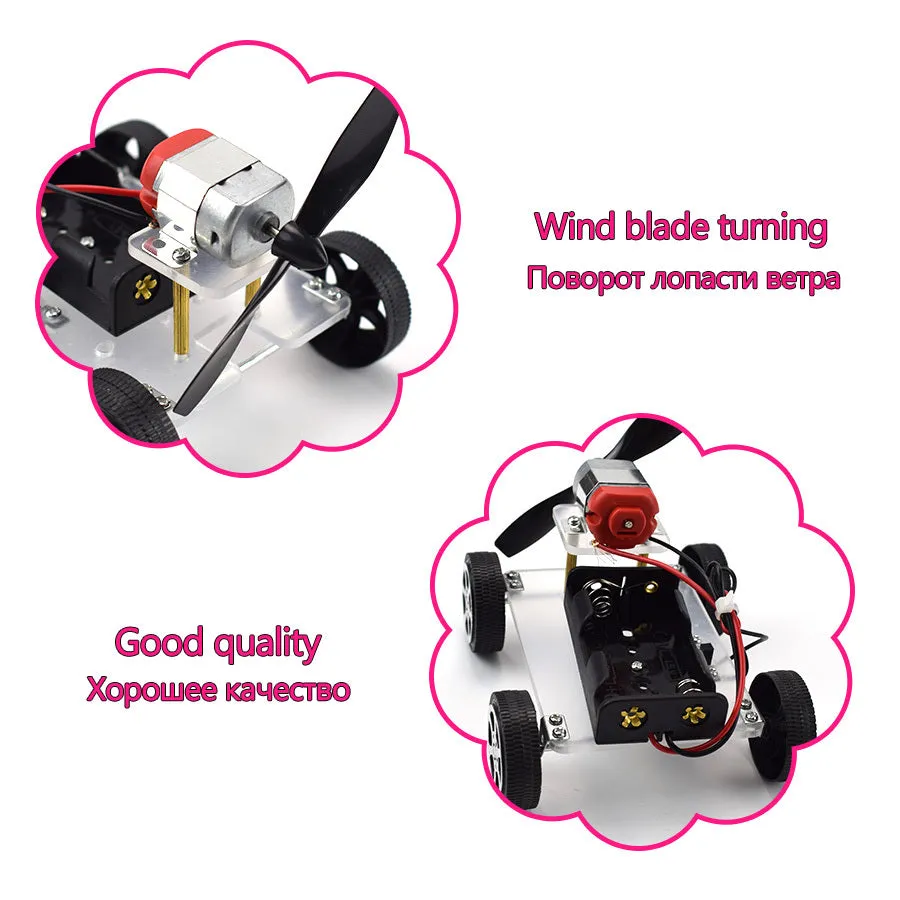
This educational wind car DIY electronic kit introduces children to fundamental physics principles through hands-on assembly and experimentation. Designed as a creative science toy, it provides practical experience with basic electronic components and mechanical systems while developing problem-solving skills. The compact 7.7cm x 10cm x 8.2cm size makes it ideal for tabletop use in classrooms, homes, or educational settings where space is limited. By requiring AA batteries for operation, it teaches children about energy conversion and basic circuitry in an accessible, engaging format that bridges theoretical science concepts with tangible results.
Features and Construction

The wind car kit combines educational value with practical assembly experience, featuring components specifically chosen for their learning potential and durability. Each element serves both a structural purpose and an educational function, allowing children to understand how individual parts contribute to overall system operation.
Material and Build
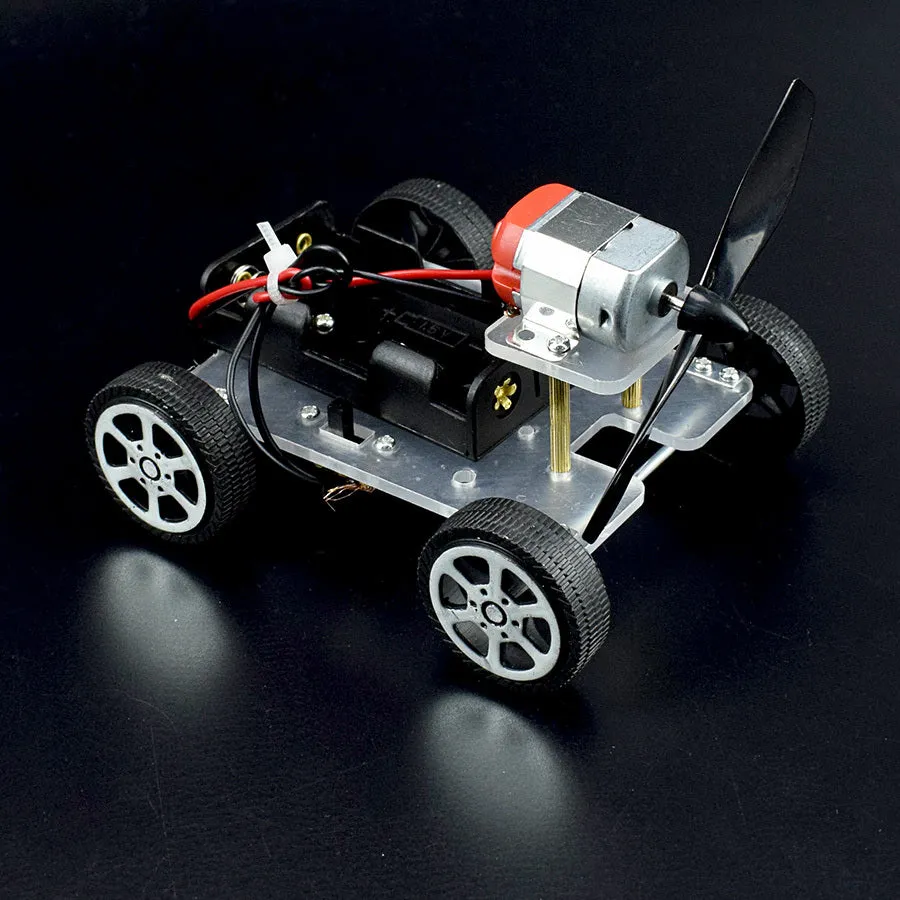
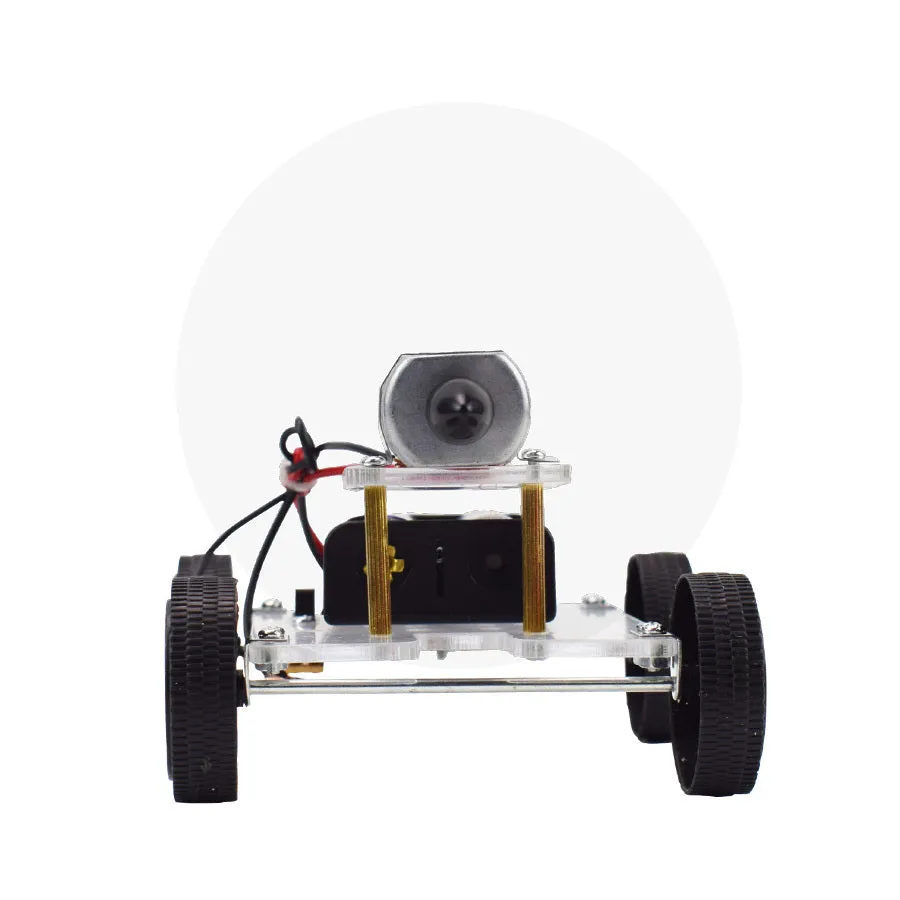
Constructed from acrylic and metal plastic materials, this kit provides clear visibility of internal components while maintaining structural integrity. The acrylic panels allow children to observe mechanical interactions and electrical connections during operation, enhancing their understanding of how the system functions. Metal plastic components provide the necessary strength for moving parts and structural elements, ensuring the wind car can withstand repeated assembly and disassembly for learning purposes. This material combination offers a balance between transparency for educational observation and durability for extended use in educational settings.
Size and Practical Fit
With dimensions of 7.7cm x 10cm x 8.2cm (3.03 inches x 3.94 inches x 3.23 inches), the completed wind car maintains a compact footprint suitable for various educational environments. This size allows for easy storage between learning sessions while providing sufficient space for all necessary electronic and mechanical components. The proportions have been calculated to demonstrate basic physics principles effectively while remaining manageable for children's hands during assembly. The scale provides enough surface area for observable motion and function without overwhelming younger users with overly complex or large components.
Uses and Placement
This educational kit serves multiple learning environments and developmental stages, from individual exploration to guided classroom activities. Its design supports various educational approaches while maintaining accessibility for different age groups and skill levels.
Event or Professional Use
In classroom settings, this wind car kit serves as a practical demonstration tool for physics principles including energy conversion, aerodynamics, and basic electronics. Teachers can incorporate it into lesson plans about renewable energy, mechanical systems, or electrical circuits, providing students with hands-on experience that reinforces theoretical concepts. Science clubs and educational workshops can use multiple kits for group activities that encourage teamwork and collaborative problem-solving. The recommended AA battery requirement makes it suitable for institutional settings where standard battery types are readily available and easily replaced between sessions.
Everyday Home Use
For home learning environments, this kit offers structured educational activity that parents can facilitate without specialised equipment or extensive preparation. The single-bag packaging contains all necessary components for immediate use, making it convenient for spontaneous learning sessions or weekend projects. Children can work through assembly at their own pace, developing patience and attention to detail while creating a functional wind-powered vehicle. The finished product provides ongoing entertainment and demonstration value, allowing children to experiment with different wind sources and observe how changes affect performance.
Benefits and Buying Value
This educational tool provides measurable learning outcomes through practical application, bridging the gap between abstract science concepts and tangible understanding.
Reuse and Low Maintenance
The acrylic and metal plastic construction supports repeated assembly and disassembly, allowing children to rebuild the wind car multiple times to reinforce learning or demonstrate different configurations. Components are designed to withstand reasonable handling during educational use, maintaining functionality across multiple learning sessions. The simple battery requirement using standard AA cells ensures easy maintenance and continued operation without specialised power sources or complex charging systems. This reusability extends the educational value beyond initial assembly, providing ongoing opportunities for experimentation and observation.
Why Choose This Product
This wind car kit distinguishes itself through its focused educational approach that combines multiple learning domains into a single cohesive project. Unlike generic construction toys, it specifically targets physics principles and cognitive development through scientifically relevant experiments. The compact size makes it accessible for various settings while the material selection balances educational transparency with practical durability. By requiring battery power, it introduces basic electronics concepts alongside mechanical principles, providing a more comprehensive STEM learning experience than purely mechanical kits. The inclusion of recommended battery specifications ensures reliable operation while teaching children about proper power source selection for electronic projects.
