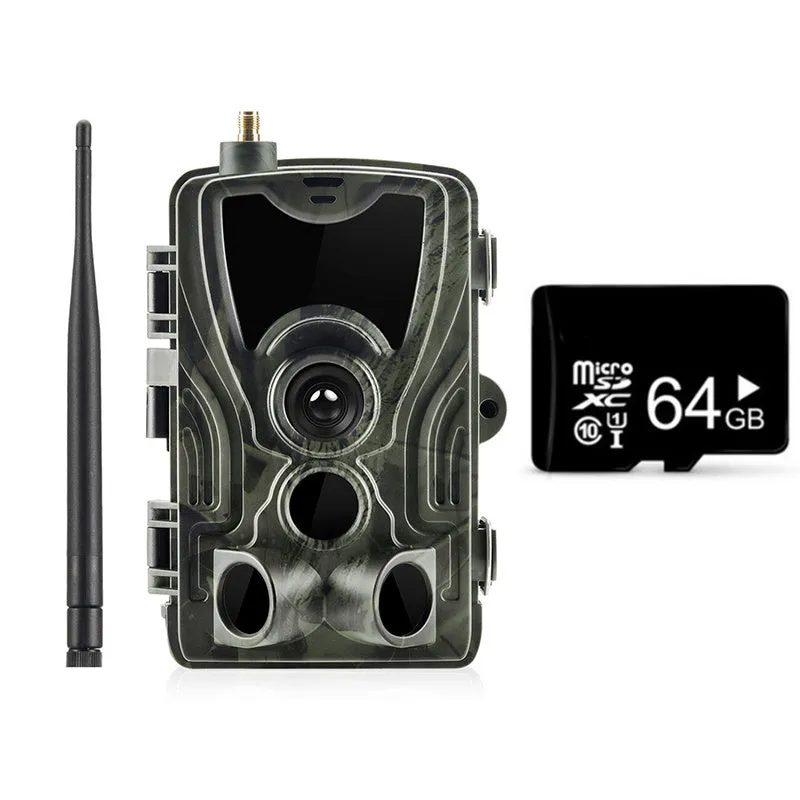
Outdoor Waterproof Surveillance Field Camera 2G with 1080p Resolution, 120-Degree Lens, Motion Detection Alarm, ABS Housing for -10°C to +70°C Environment, 20-Metre Effective Distance in Camouflage Colour Options

Outdoor Waterproof Surveillance Field Camera 2G with 1080p Resolution, 120-Degree Lens, Motion Detection Alarm, ABS Housing for -10°C to +70°C Environment, 20-Metre Effective Distance in Camouflage Colour Options
HC801M Outdoor Waterproof Surveillance Field Camera 2G with 1080p Resolution and 120-Degree Lens
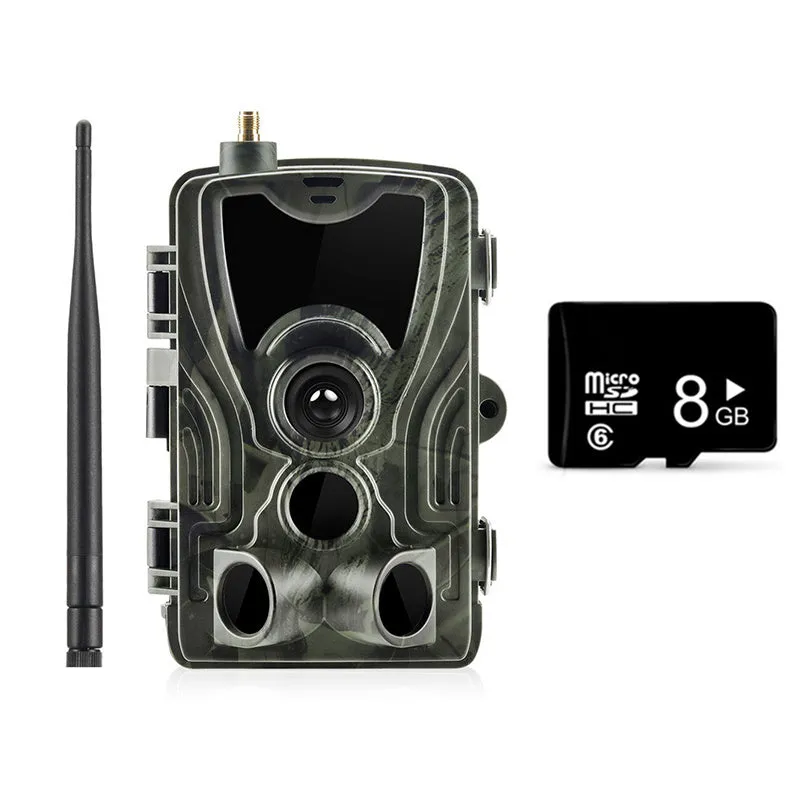
The HC801M outdoor surveillance camera offers a comprehensive monitoring solution designed for varied environmental conditions. With its 1080p resolution capability and 120-degree lens, this camera captures detailed footage across a wide coverage area, making it suitable for security applications. The motion detection alarm function provides automated monitoring, alerting users to movement within its 20-metre effective range. Constructed from ABS material and rated for operation between -10°C and +70°C, this camera maintains functionality through temperature variations commonly experienced in outdoor settings.
Technical Specifications and Image Quality

The HC801M model combines several technical features to deliver surveillance performance in outdoor environments. The camera's specifications support clear image capture across different lighting conditions, with particular attention to low-light performance.
Resolution and Image Processing
This surveillance camera records in 1080p resolution with a pixel density of 1600 dpi, providing detailed image capture for security monitoring applications. The horizontal resolution of 480 TVL contributes to image clarity, while the electronic shutter CMOS system manages exposure settings. With a signal-to-noise ratio exceeding 48 dB, the camera reduces interference in the captured footage. These specifications combine to deliver surveillance footage suitable for identifying details within the monitored area.
Low-Light Performance Capabilities
The camera operates with minimum illumination of 0.001 Lux, allowing it to capture usable footage in low-light conditions. Backlight compensation infrared functionality helps manage challenging lighting situations where subjects might be silhouetted against brighter backgrounds. This combination of features enables the camera to maintain surveillance capability during dawn, dusk, and night-time hours, extending its operational usefulness beyond daylight-only monitoring.
Lens Coverage and Monitoring Range
A 3.6mm lens provides the camera with a 120-degree viewing angle, covering a substantial area without requiring mechanical panning mechanisms. This wide-angle coverage reduces the number of cameras needed to monitor larger spaces. The 20-metre effective distance specifies how far the camera can reliably detect and record activity, defining the perimeter of its monitoring capability. These specifications determine how the camera can be positioned to maximise surveillance coverage of target areas.
Construction and Environmental Specifications
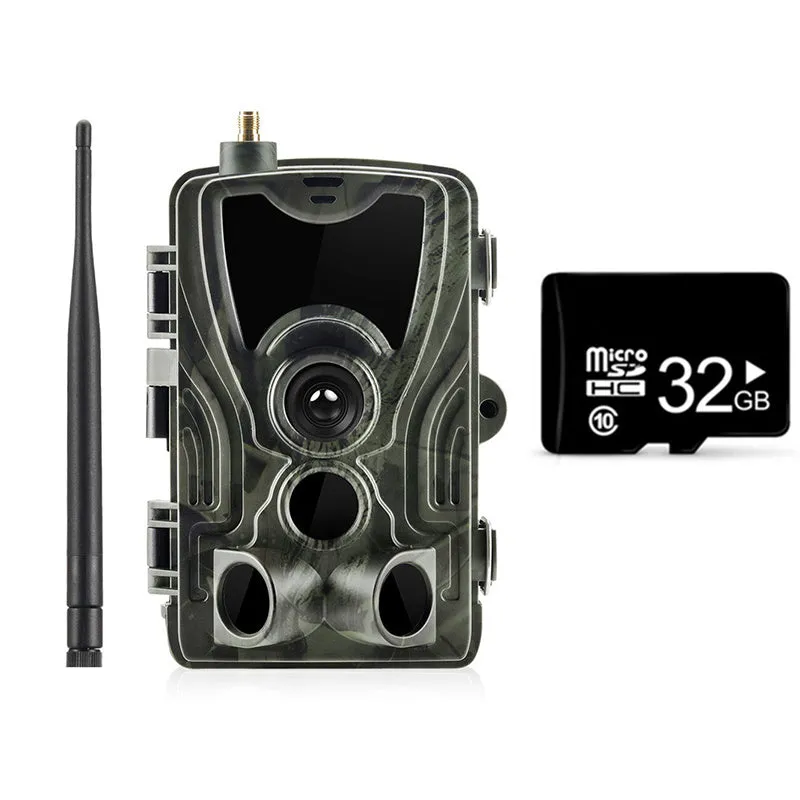
The camera's design prioritises outdoor durability and consistent operation across temperature variations. The materials and construction methods selected contribute to the camera's ability to function in surveillance applications exposed to weather elements.
Housing Materials and Protection
ABS (acrylonitrile butadiene styrene) forms the camera housing, providing impact resistance and protection against weather exposure. This thermoplastic material offers a balance of strength and durability for outdoor installations. The waterproof designation indicates protection against precipitation and humidity, though specific ingress protection ratings are not provided in the source material. This construction approach supports the camera's designation for outdoor monitoring environments where weather resistance is necessary.
Temperature Tolerance and Operation
The camera operates within a temperature range of -10°C to +70°C, accommodating seasonal variations in many geographic regions. This specification indicates the camera can function during winter conditions above -10°C and summer conditions up to +70°C. The wide temperature range reduces concerns about thermal shutdown or performance degradation during temperature extremes, supporting consistent surveillance operation throughout changing weather patterns.
Power Requirements and Physical Properties
A power supply voltage of 6-12V provides flexibility in power source selection, accommodating different installation scenarios. The 450g weight suggests a manageable physical size for mounting on various surfaces without excessive structural support. These specifications influence how the camera can be installed and powered in different outdoor locations, from building exteriors to freestanding posts in monitoring areas.
Monitoring Functions and Practical Applications

The camera incorporates specific monitoring functions that enhance its utility for security and surveillance purposes. These features address common requirements in outdoor monitoring scenarios where automated detection and alerting provide practical benefits.
Motion Detection and Alarm Function
The motion detection alarm function monitors the camera's field of view for movement, triggering alerts when activity is detected. This automated monitoring reduces the need for constant human observation of camera feeds. The function can help conserve storage space by focusing recording on periods with activity rather than continuous footage. This feature adds intelligence to the surveillance system, prioritising potentially significant events within the monitored area.
Outdoor Surveillance Applications
Designed specifically for outdoor monitoring environments, the camera addresses security needs for perimeter protection, property monitoring, and access control. The combination of weather-resistant construction and temperature tolerance supports installation in exposed locations without climate control. These characteristics make the camera suitable for monitoring building exteriors, entry points, car parks, storage areas, and other outdoor spaces where security surveillance provides practical benefits.
Installation and Configuration Considerations
The camera's specifications inform installation decisions regarding positioning, power supply, and monitoring focus. The 120-degree lens coverage influences camera placement to avoid blind spots in the surveillance area. The 20-metre effective distance helps determine appropriate mounting heights and angles to maximise the monitored perimeter. These technical parameters guide practical installation to achieve optimal surveillance coverage based on the specific security requirements of each location.