
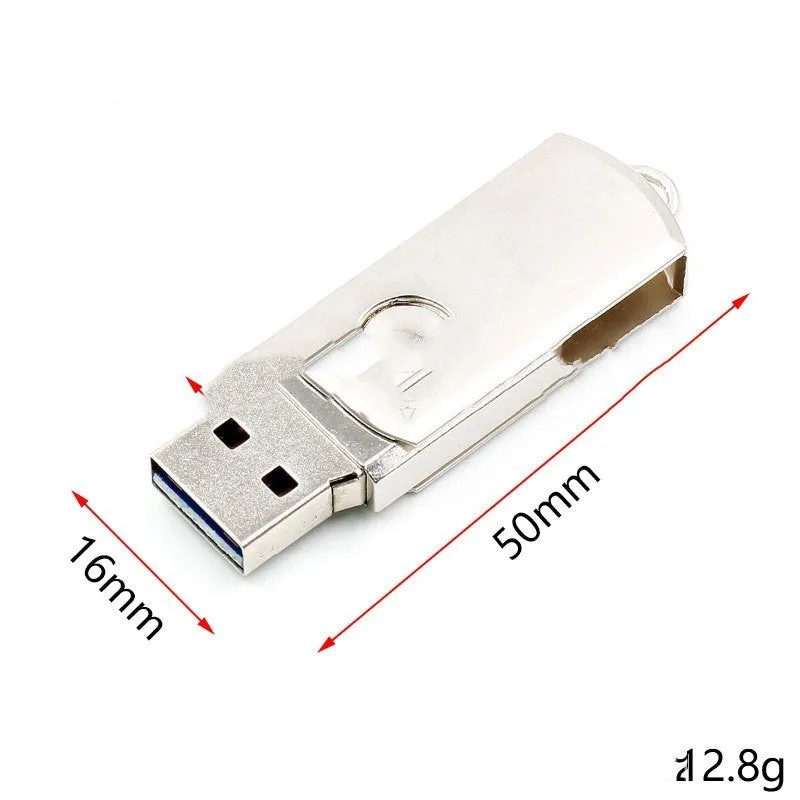
Virtual keyboard development board with ATMEGA32U4 microcontroller, measuring 50mm by 16mm, offering USB connectivity for embedded system programming and custom input device creation.
ATMEGA32U4
£20.98
Skip to product information

 This compact development board, centred on the ATMEGA32U4 microcontroller, provides a dedicated platform for building programmable USB input devices. Measuring just 50mm by 16mm, it eliminates the initial hardware hurdle for creating custom keyboards, macro pads, or control surfaces. The chip's native USB capability means it can be programmed to act as a standard Human Interface Device (HID), communicating directly with your computer at a standard data rate without extra adapters. It's a practical starting point for electronics enthusiasts, students, and developers looking to integrate bespoke user inputs into their projects, offering a solderable foundation to which switches, encoders, and other components can be added.
 This section details the specific technical attributes and construction of the virtual keyboard development board, explaining how its design supports reliable prototyping and customisation for USB-based projects.
 This board serves as a versatile tool for several specific use cases, from educational projects to professional prototyping. Its primary function is to bridge the gap between a software concept for a custom input device and a working hardware prototype.
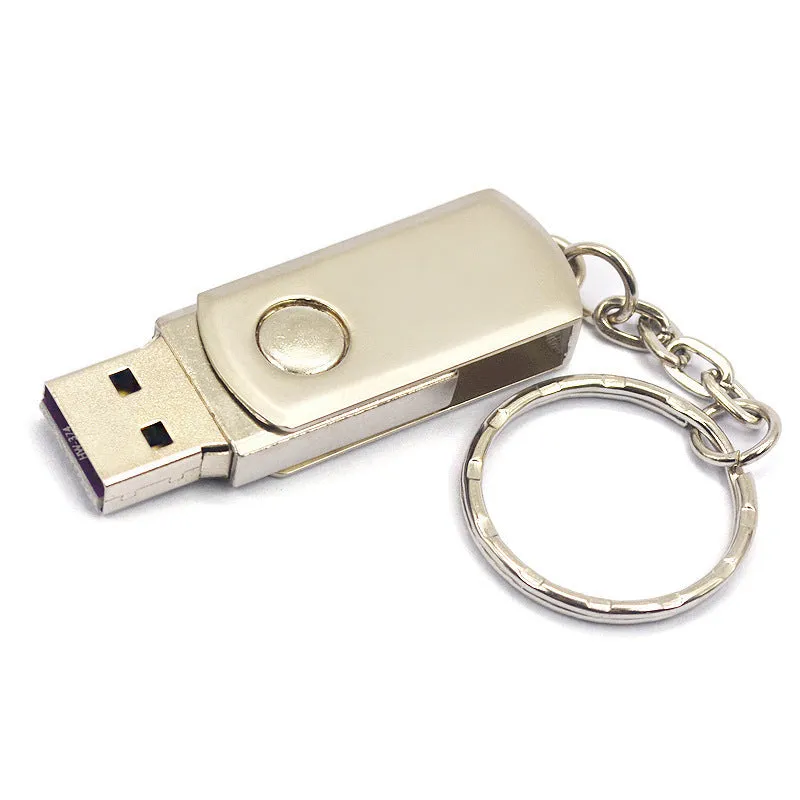 Selecting this specific development board for your project brings several concrete advantages, primarily centred on reducing development complexity and providing a reliable hardware base.


Virtual keyboard development board with ATMEGA32U4 microcontroller, measuring 50mm by 16mm, offering USB connectivity for embedded system programming and custom input device creation.
£20.98
ATMEGA32U4 Virtual Keyboard Development Board for Custom USB HID Device Creation
Features and Build Quality of the Development Board
Compact PCB Design and Dimensions
The core of the product is a printed circuit board (PCB) with precise dimensions of 50mm in length and 16mm in width. This compact footprint is achieved using surface-mount technology for all components, including the ATMEGA32U4 microcontroller. The small size is intentional, allowing the board to be easily integrated into a final project enclosure or used as a minimal bench-top tool. The standard 1.6mm PCB thickness provides enough rigidity for handling during development and soldering, while the layout includes necessary breakout points for connecting a custom key matrix or other peripheral components.ATMEGA32U4 Microcontroller Technical Specifications
Durability and Construction for Prototyping Constructed on an FR-4 fibreglass substrate, the board offers the durability needed for repeated handling during the prototyping phase. The USB connector is securely soldered to the PCB, designed to withstand multiple insertion and removal cycles as you test your firmware. The surface-mount components are chosen for their reliability in a development environment. While not a finished consumer product, the build quality focuses on providing a stable, error-free foundation for your custom circuits, ensuring the board itself doesn't become a point of failure during project debugging.Practical Applications for the Development Board
Professional Prototyping and Product Development
For product developers and engineers, this board accelerates the prototyping of specialised input devices. Instead of designing, etching, and populating a custom PCB for initial concept validation, developers can use this pre-assembled board as the core. It allows for rapid testing of novel keyboard layouts, special-function panels for software like CAD or video editing suites, or accessibility aids. The time saved in the early hardware design phase can be significant, allowing more iteration cycles to be spent on firmware refinement and user experience testing before committing to a final, custom PCB design.Educational Use and Electronics Hobbyist Projects
For students and hobbyists, the board offers a hands-on introduction to USB device programming and embedded systems. The tactile process of soldering mechanical keyboard switches to the board's breakout points and then writing firmware to make them work provides a comprehensive learning experience in both hardware and software. The satisfaction of creating a functional, personalised device—like a custom shortcut pad for streaming or gaming—comes from directly interacting with the 50mm by 16mm board, writing code, and seeing immediate results when it connects via USB and performs as programmed.Versatility in Custom Device Creation
The board's utility extends beyond a simple keyboard. Its programmability means it can be configured as a mouse, a joystick, a MIDI controller, or a combination of these. By writing different firmware, the same physical hardware can be repurposed for multiple projects. This versatility makes it a cost-effective component for a maker's toolkit. Furthermore, its small size allows it to be the brain of compact, portable devices, such as a presentation clicker with extra macro buttons or a dedicated controller for a specific piece of laboratory equipment.Key Benefits of Choosing This Development Board
Long-Term Value and Cost Efficiency
For the price of a single board, you gain access to a fully assembled microcontroller circuit with native USB, a feature that would require additional components and design effort to replicate from discrete parts. This represents a strong value proposition, as it condenses hours of schematic design and component sourcing into a ready-to-use module. Its reusability across multiple projects further enhances its long-term value; after completing one device, the board can be erased and reprogrammed for an entirely different application, making it a sustainable investment for ongoing prototyping work.User Satisfaction and Development Confidence
A Direct Path to Functional Prototypes</h3 The most compelling reason to choose this board is the direct route it provides from concept to a working prototype. It removes the significant barrier of USB protocol implementation, which can be daunting for those new to embedded systems. With this handled, you can immediately start working on the unique aspects of your project—the key layout, the case design, the firmware features. This focus on application-specific development, rather than foundational electronics, makes it an efficient tool for bringing a custom input device idea to life in a tangible, testable form.