
Simple solid colour car door edge protector strip set in white, made from flexible PVC to prevent scratches from dings and scrapes on general vehicle models
White
£11.98
Skip to product information

 Introductory paragraph: Car park anxiety is a real thing for many motorists, knowing that a careless swing of an adjacent door can leave a costly chip in your paintwork. This solid white door edge protector strip offers a straightforward solution. Made from a flexible grade of PVC, it acts as a physical bumper along the most vulnerable part of your car door. The approximately 1.5cm wide profile is designed to take the brunt of an impact from another door, a wall, or a post, dissipating the force before it reaches your car's paint. With a total length of around 160cm, the single strip can be tailored to fit your specific vehicle. The discreet white colour aims to provide protection without drawing undue attention, blending with a wide range of vehicle finishes.
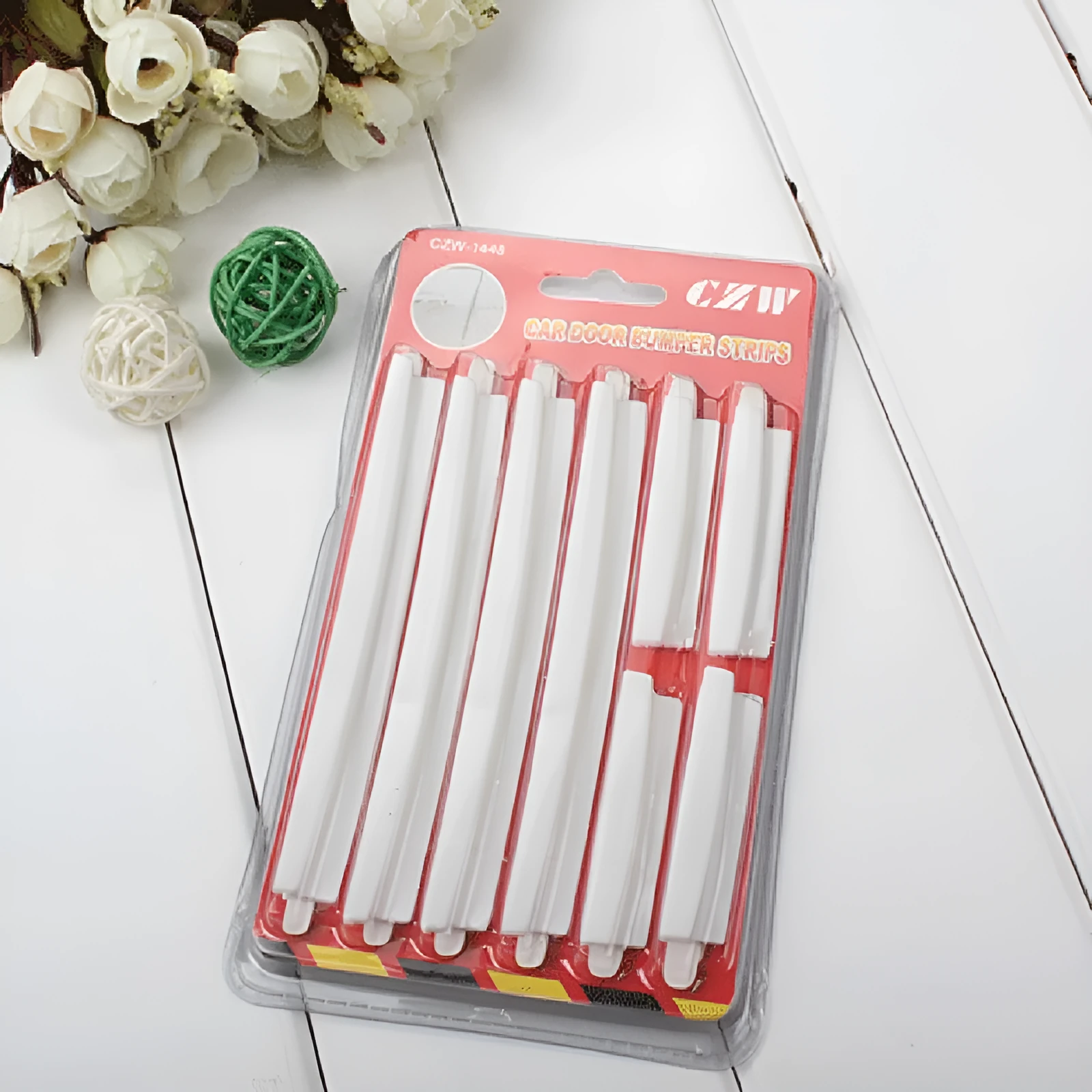 Brief section introduction with specific content preview: This protector isn't a complex gadget; its value lies in its simple, effective design and material choice. We'll look at the flexible PVC construction that allows it to hug the door's curve, the adhesive system engineered for automotive use, and the practical dimensions that provide coverage where it's needed most.
 Brief section introduction with specific usage scenarios: This product addresses specific, everyday risks to your vehicle's exterior. Its primary use is in crowded car parks, but it also proves useful in tight home garages, at street-side parking bays, and even offers some protection from shopping trolleys.
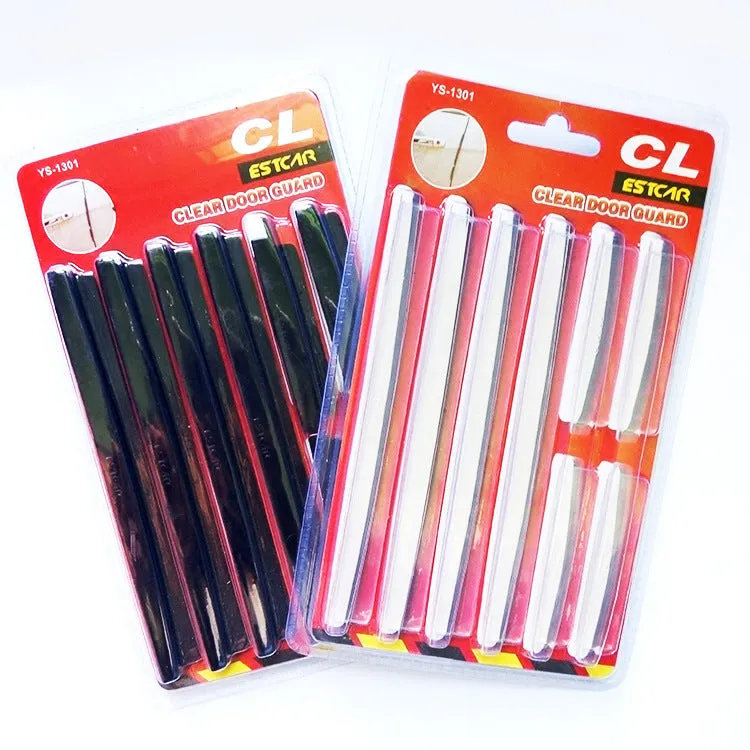 Brief section introduction with main benefits overview: The core benefits are preventative protection, cost savings on paintwork, and preservation of your vehicle's aesthetic appeal. It's a small investment that addresses a disproportionately annoying and expensive type of damage.


Simple solid colour car door edge protector strip set in white, made from flexible PVC to prevent scratches from dings and scrapes on general vehicle models
£11.98
Simple White Car Door Edge Protector Strip: Flexible PVC Guard Against Scratches and Dings
Features and Build Quality of the Door Protector
Flexible PVC Material and Design
Design content: The strip is moulded from a specific formulation of PVC plastic prized for its pliability and environmental resistance. This flexibility is crucial, as it allows the strip to be applied along the curved edge of a car door without kinking or creating unsightly gaps. The material has a degree of memory, meaning it will try to return to its original shape, ensuring constant contact with the door edge. The solid white pigmentation is integrated throughout the material, so minor scuffs won't reveal a different colour underneath. The rounded outer edge of the profile is designed to present a smooth surface to incoming objects, helping to deflect impact.Adhesive Application and Dimensions
Technical content: The technical performance hinges on the adhesive bond. The strip uses a layer of high-initial-tack acrylic adhesive, protected by a silicone-coated paper release liner. This adhesive is formulated to bond strongly to automotive paints and clear coats, and to withstand the temperature extremes a car exterior faces, from a frosty morning to hot summer sun. The strip's dimensions are practical: with a total length of approximately 160cm, it provides enough material to cover the edges of both front doors on a typical family hatchback or saloon. The working profile—the part that protrudes to absorb impact—measures about 1.5cm in width, with a total thickness of around 3mm.Construction and Durability Details
Quality content: Construction is a single extrusion of PVC with the adhesive layer laminated to the back. There are no separate parts to fail. The durability comes from the inherent properties of the materials: PVC does not rust, corrode, or degrade significantly from UV exposure over a medium timeframe, and the acrylic adhesive is resistant to moisture and many common chemicals. The bond strength is designed to be permanent, but the flexibility of the PVC means it can absorb repeated minor impacts without transferring stress to the adhesive interface, which helps prevent peeling at the ends—a common failure point for rigid protectors.Practical Applications and Usage Scenarios
Professional and Fleet Use Cases
Professional content: For businesses operating company cars or small fleets, maintaining a professional appearance is key. A door edged with chips and dents looks poorly maintained. Fitting these strips to fleet vehicles is a low-cost, proactive measure to reduce cosmetic damage between services, potentially helping to preserve residual value. Driving schools find them particularly useful, as learner drivers often misjudge door clearance. Car dealerships may use them on forecourt vehicles to protect against customer inspections. The simple, tool-free installation means fleet managers or valeters can fit them quickly without specialist skills.Everyday Consumer Use and Feel
Consumer content: For the everyday driver, the benefit is peace of mind during the weekly supermarket shop or when parked on a busy urban street. The feeling is one of reduced worry; you can place your car in a tight space knowing the strip is there as a first line of defence. Tactilely, the PVC has a smooth, slightly yielding feel—if you run your finger along it, you'll notice it gives slightly under pressure, which is exactly how it absorbs a knock. Visually, the matte white finish provides a clean, OEM-style look that doesn't scream "aftermarket add-on," avoiding the sticky-out rubber bumpers of older designs.Versatility and Vehicle Compatibility
Versatility content: While termed 'general' fit, the strip's flexibility and cut-to-length nature make it highly versatile. It can be used on virtually any car, van, or SUV with a traditional door edge shape. Some users also apply shorter sections to vulnerable corners on rear bumpers or front wings. The white colour, while discreet, can be painted with suitable plastic paints if an exact colour match is desired for a custom look. Furthermore, if a section becomes heavily marked or damaged, it can be carefully removed and replaced, making it a modular protection system for your vehicle's most exposed edges.Key Benefits and Long-Term Value
Cost-Benefit and Value Analysis
Value content: A typical professional repair for a door edge chip, involving paint blending, can easily cost £50-£100 per panel. A set of these protectors costs a fraction of that. By preventing just one such incident, the product pays for itself many times over. It also helps avoid the depreciation associated with a bodywork that's marked with numerous small scars. For those who lease vehicles, it can help avoid end-of-lease charges for excess wear and tear, specifically for door edge damage which is commonly checked. The long-term value is in preserving the factory finish, which is always superior in durability and appearance to a repair.User Satisfaction and Experience
Satisfaction content: User satisfaction stems from the confidence of having a simple, physical guard in place. The peace of mind comes directly from the 1.5cm of flexible PVC that stands between your paint and the world—it's a measurable barrier. There's a satisfaction in the straightforward, no-fuss installation that doesn't require drills or brackets. Owners often report a sense of having outsmarted the inevitable minor hazards of parking, and the product delivers a very tangible result: doors that remain free of the distinctive crescent-shaped dents and scratches that are so common on unprotected vehicles.Reason to Purchase and Final Details
Closing content: The specific reason to purchase this strip over going without is the measurable benefit of impact absorption. It transforms a vulnerable, painted metal edge into a resilient, plastic-protected one. If your daily routine involves parking in multi-storey car parks, narrow streets, or a cramped garage, this product directly addresses the most frequent source of cosmetic damage. It's a pragmatic, low-cost form of insurance for your car's exterior. Ensure your door edge is clean and dry, take your time applying it for perfect alignment, and you'll have a durable layer of protection fitted in minutes, ready to handle the knocks of daily motoring.