
Dual-lens endoscope HD camera with 8.5mm diameter and 5m or 10m hardline cable options for plumbing inspection, electrical work, and automotive diagnostics, includes a memory card for saving images and video.


Dual-lens endoscope HD camera with 8.5mm diameter and 5m or 10m hardline cable options for plumbing inspection, electrical work, and automotive diagnostics, includes a memory card for saving images and video.
8.5mm Dual-Lens Inspection Endoscope Camera with Memory Card for Plumbing and Diagnostics

This practical inspection tool is designed for viewing and recording inside narrow pipes, cavities, and machinery. The 8.5mm dual-lens camera head transmits video to a connected screen, allowing you to identify blockages, check wiring, or inspect internal mechanical components. A key feature is the included memory card, enabling you to capture still images or video footage directly from the camera for documentation, analysis, or sharing with others. With options for different cable types and lengths, it can be configured for a range of professional and DIY inspection tasks where visual access is limited.
Features and Construction
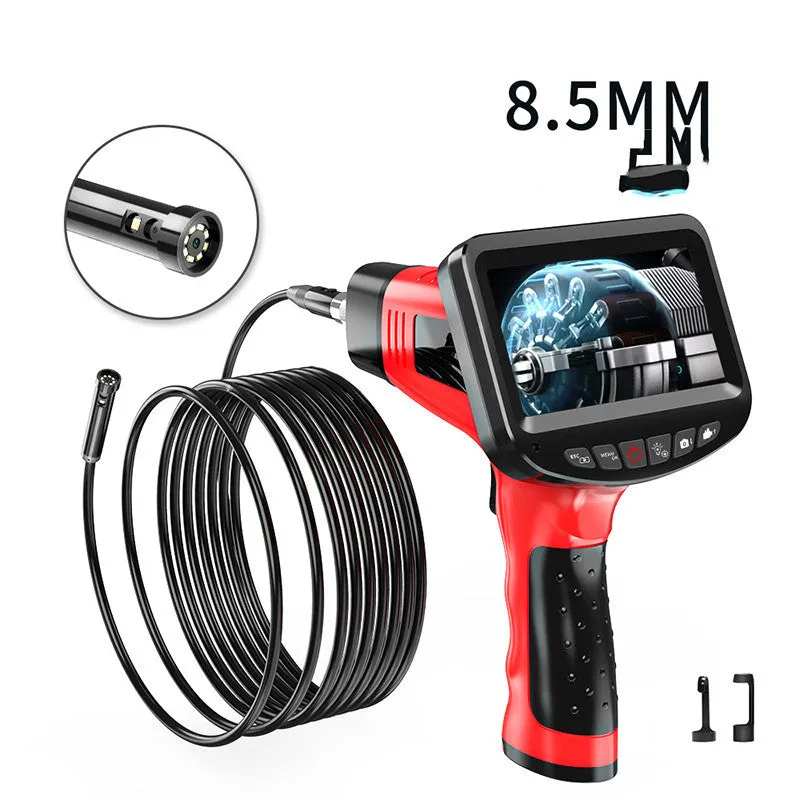
The endoscope is built around its core functional specifications, offering a choice in how it connects and reaches into spaces.
Material and Build
The construction centres on the 8.5mm diameter camera head, which houses the dual-lens system. This size is chosen to fit into common plumbing pipes and access panels. The available cables include a flexible 1-metre 'snake pipeline' for navigating bends and turns, as well as rigid 5-metre and 10-metre hardline options for reaching deeper into straight cavities or ducts. The build is focused on delivering a visual feed for inspection purposes.
Size and Practical Fit
The primary dimensional specification is the 8.5mm camera head, which dictates the minimum size of the entry point required. The cable length is a critical selection factor: the 1m snake pipeline suits shorter, tortuous paths, while the 5m or 10m hardline cables are for longer, relatively straight runs. Choosing the correct model ensures the camera can physically reach the area you need to inspect without strain or limitation.
Uses and Placement
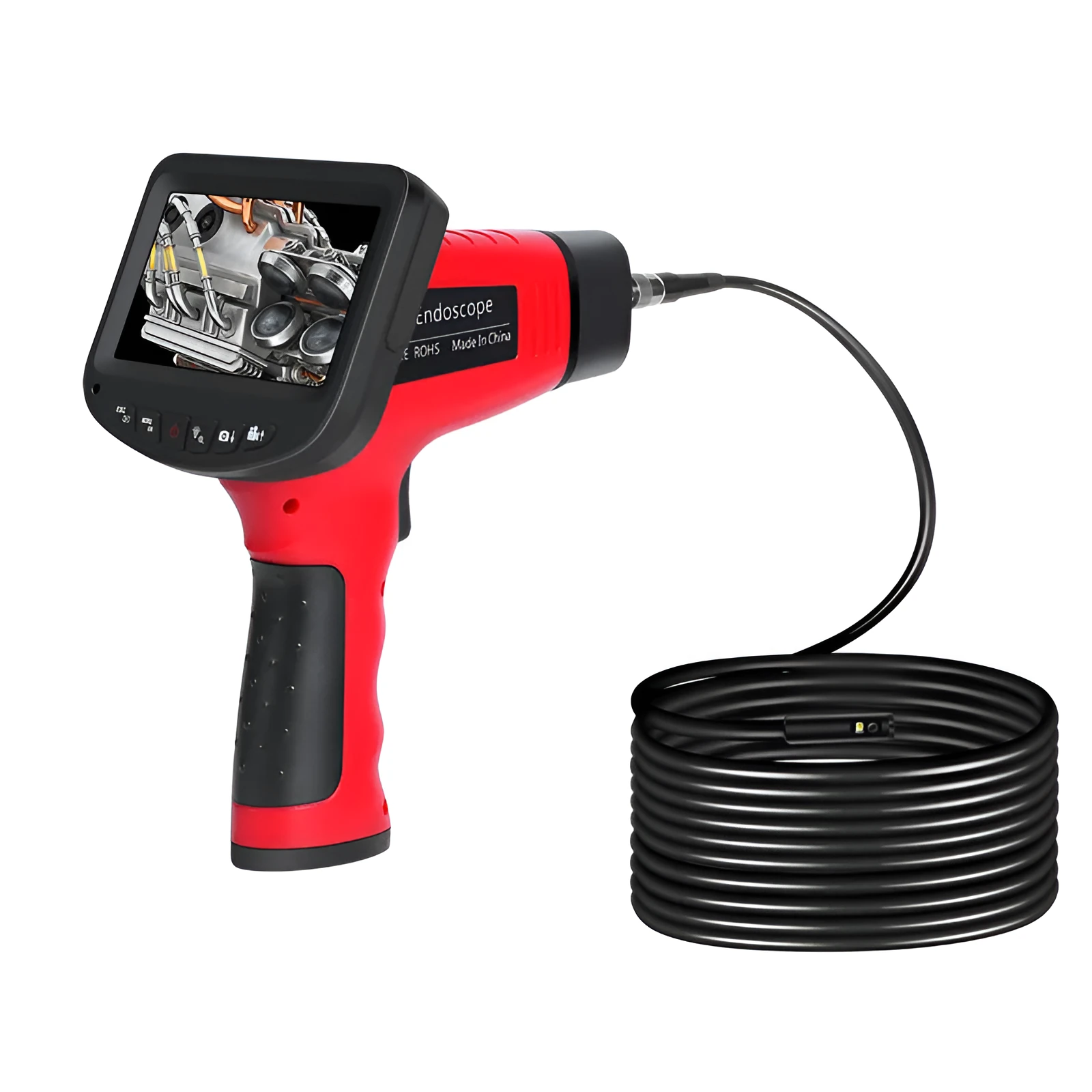
The endoscope serves multiple inspection roles across different environments, from home maintenance to vehicle repair.
Event or Professional Use
For trade professionals like plumbers or electricians, this tool can help diagnose issues without invasive dismantling. A plumber might use the snake pipeline variant to navigate a u-bend and locate a blockage, while an auto mechanic could use a hardline cable to inspect cylinder walls or look for foreign objects in an engine. The ability to save footage with the memory card aids in creating reports for clients or planning the necessary repair work.
Everyday Home Use
DIY enthusiasts and homeowners will find it useful for common household tasks. This includes checking for root intrusion in garden drainage pipes, locating a lost item behind a fixed cabinet, or inspecting the condition of insulation in a wall cavity before a renovation. The straightforward setup – connecting the camera to a display and inserting the memory card – makes it accessible for occasional, non-specialist use.
Benefits and Buying Value

The value of this inspection camera lies in its specific configuration options and the included recording capability.
Reuse and Low Maintenance
As a diagnostic tool, the endoscope is designed for repeated use across different jobs. There are no consumable parts; the main consideration is selecting the appropriate cable variant for your typical tasks. Maintenance is minimal, primarily involving keeping the camera lens clean and ensuring the cable and connections are stored safely to prevent damage, maximising its lifespan as a reusable inspection aid.
Why Choose This Product
This model offers a clear combination of a dual-lens 8.5mm camera, a choice of cable types and lengths, and the practical addition of a memory card for recording. This differs from basic models that may lack recording functionality or offer less flexibility in cable options. When selecting, consider whether your primary need is for navigating bends (snake pipeline) or for longer reach in straight lines (hardline), and match the cable length to the depth of the spaces you most commonly need to inspect.
