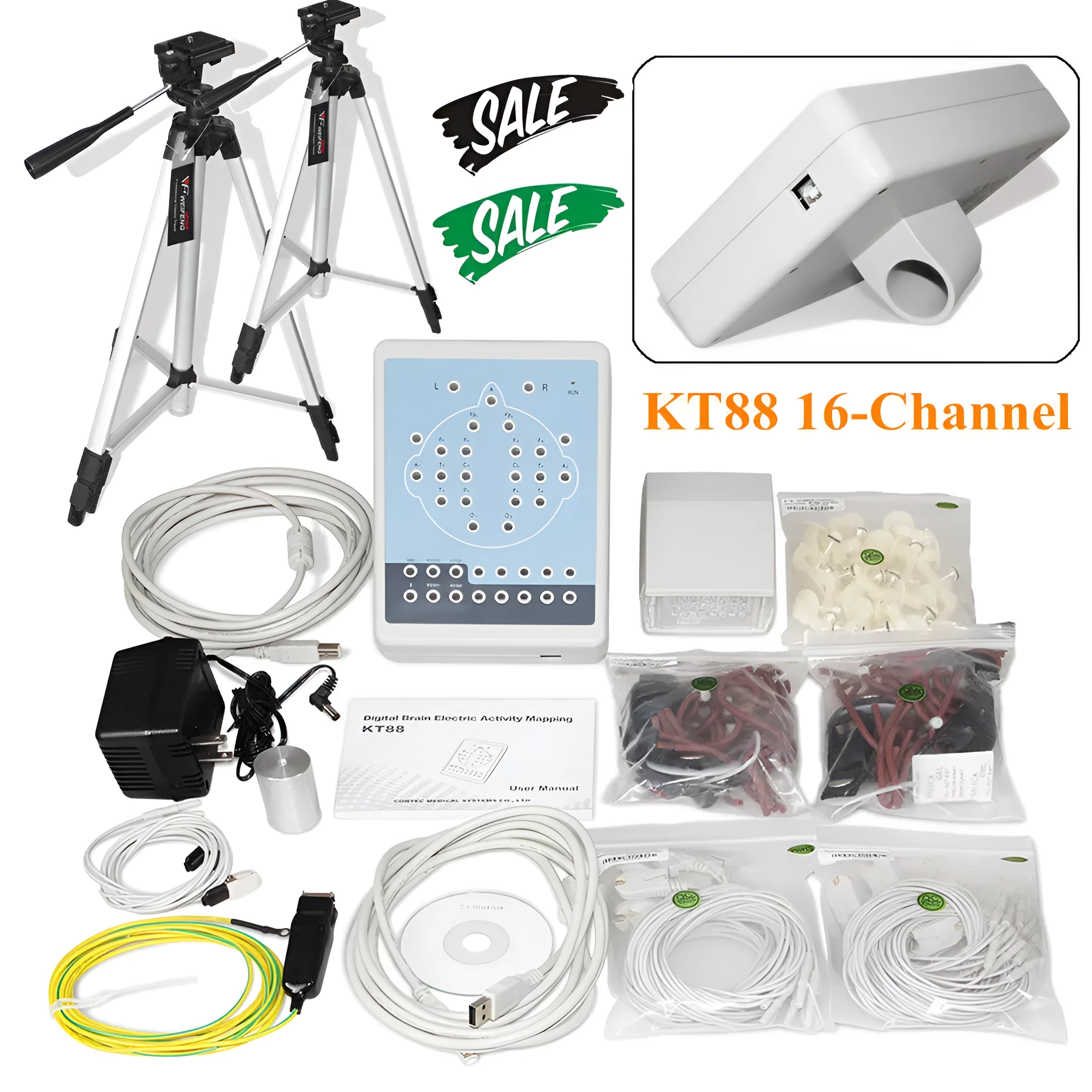
Digital EEG System 16 Channel Brain Mapping Machine with ECG Option, CE CONTEC KT88-1016 Clinical Electroencephalogram Equipment for Epilepsy Detection and Neurological Analysis, 24hr Recording, USB Interface


Digital EEG System 16 Channel Brain Mapping Machine with ECG Option, CE CONTEC KT88-1016 Clinical Electroencephalogram Equipment for Epilepsy Detection and Neurological Analysis, 24hr Recording, USB Interface
CE CONTEC KT88-1016 16-Channel Digital EEG System for Clinical Brain Mapping and Analysis
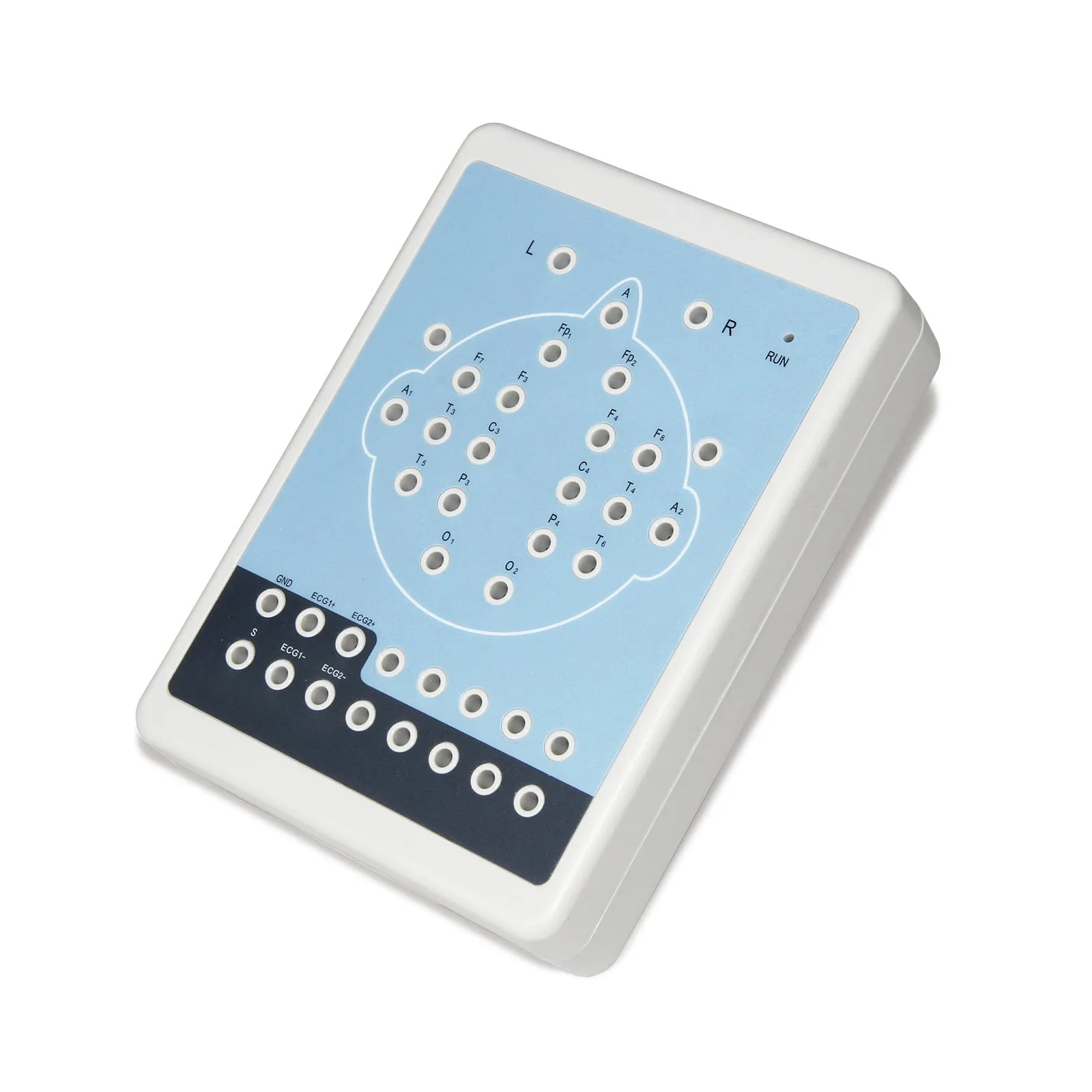
The CE CONTEC KT88-1016 represents a specialised piece of medical diagnostic equipment: a 16-channel digital electroencephalogram (EEG) and brain mapping system. It is engineered to collect, amplify, and analyse the brain's electrical activity through electrodes placed on the scalp. By utilising integrated amplification, analog-to-digital (A/D) transformation, and computer-based automatic analysis including Fast Fourier Transform (FFT), it generates detailed electroencephalograms displayed with colour depth. This system is designed for clinical settings to assist in the examination and monitoring of neurological conditions such as epilepsy, intracranial inflammation, cerebrovascular diseases, and brain tumours. Its core purpose is to provide clinicians with accurate, analysable data to support diagnostic decisions.
Technical Specifications and Performance

The KT88-1016 is built to precise technical standards, ensuring reliable signal acquisition and patient safety during extended monitoring periods.
Signal Acquisition and Channels
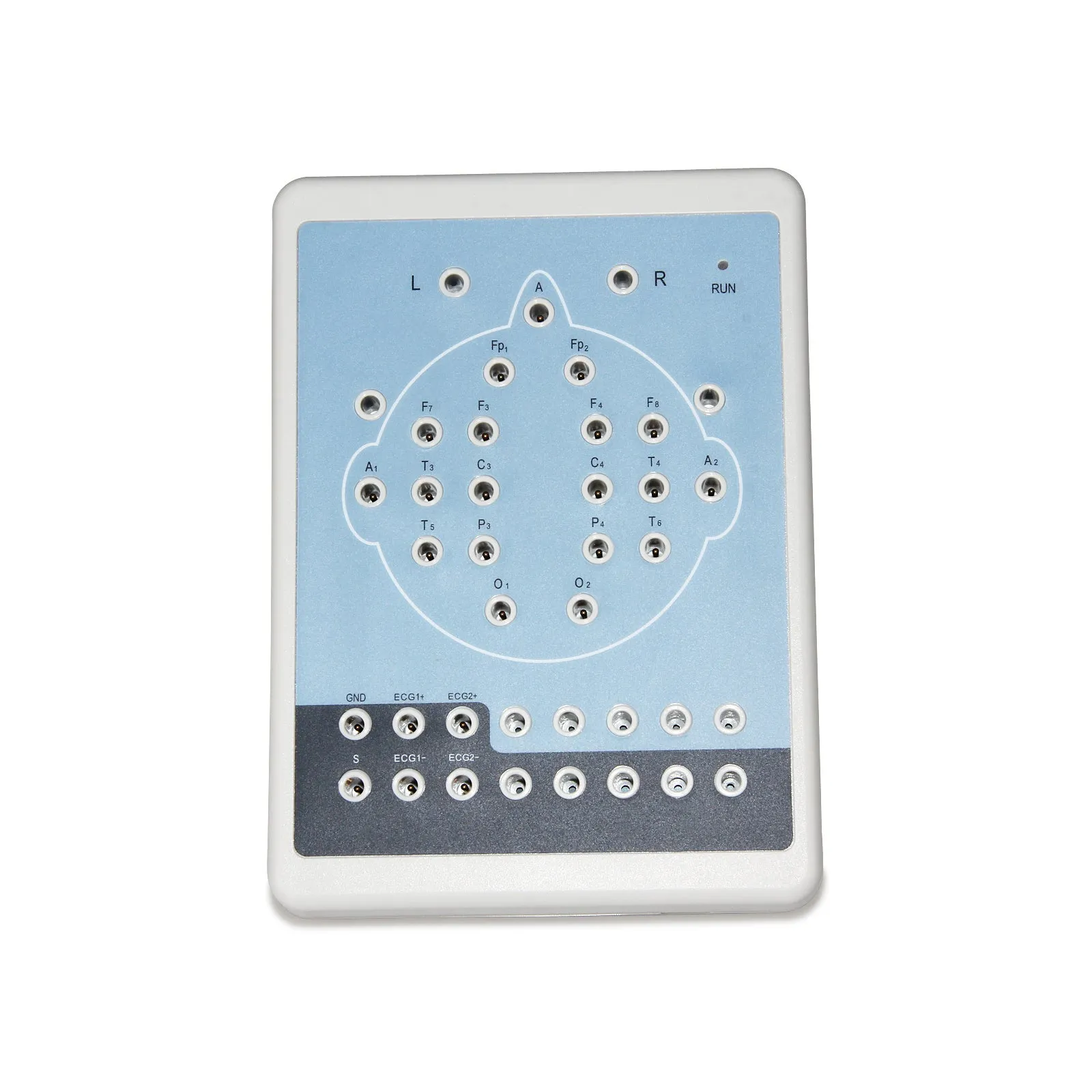
This system offers 16 dedicated channels for EEG signal acquisition, providing a comprehensive view of electrical activity across the brain. An additional 2 channels for electrocardiogram (ECG) are available as an optional feature, allowing for simultaneous cardiac monitoring where required. The sampling rate is set at 100 dots per second with an accuracy of 12-bit, capturing detailed waveform data. Input impedance is high at ≥10MΩ to minimise signal loss, while patient leak current is kept exceptionally low at < 10µA for safety. The system maintains a high Common Mode Rejection Ratio (CMRR) of ≥90dB and operates with a low noise level of ≤5µV peak-to-peak.
Display and Analysis Controls
Clinicians have full control over the display and analysis parameters. The display speed, analogous to paper speed, is adjustable across a range: 5, 10, 15, 30, 60, and 120 mm/s. Amplitude can be set to various levels from 1 to 50 mm/50µV to best visualise the captured waveforms. During playback, the speed can be increased from 1x up to 60x normal speed for efficient review. A digital filter system allows filters to be set as required, and a 50Hz interference suppression of ≥30dB helps clean the signal from common electrical noise.
Safety and Construction
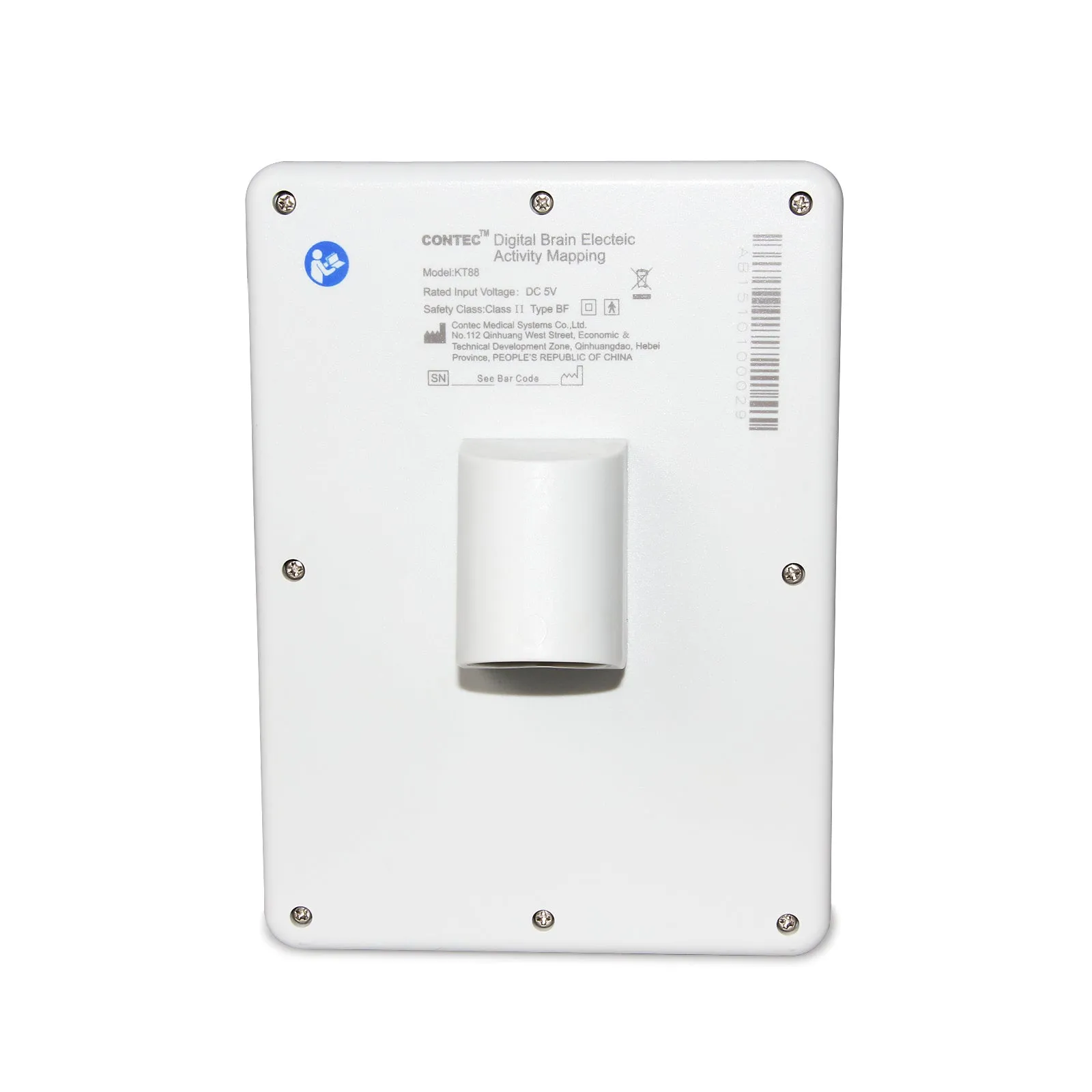
Safety is integral to the design. The system is classified as a Class II, type BF applied part, adhering to medical electrical equipment safety standards. It incorporates a professional isolation transformer and a dual power supply isolation system. Data transmission is handled via optoelectronic isolation and a USB interface, which provides both security and convenience. The physical unit is compact, measuring 186 mm in length, 135 mm in width, and 89.2 mm in height, and weighs 550g.
Key Features and Clinical Functions
Beyond core signal acquisition, the KT88-1016 includes a suite of features designed to enhance clinical workflow, data analysis, and research capabilities.
Recording and Playback Capabilities
The system supports extended, continuous recording sessions of up to 24 hours, facilitated by its bioelectricity amplifier. A powerful playback function allows clinicians to review recordings with adjustable amplitude and display speed. A special feature subdivides the timeline, dividing one second of waveform into five parts for more detailed inspection. The EEG signal clipping function lets users select, analyse, and store any specific section of the EEG wave, and several segments can be chosen for automated parameter extraction.
Analysis and Mapping Tools
Automatic analysis is a significant strength. The system can perform power spectrum analysis and pathological wave detection on appointed waveforms. It generates various brain mapping displays, including BEAM (Brain Electrical Activity Mapping), numerical BEAM, compressed spectrum graphs, and trend graphs, which can all be displayed on the same screen for comparison. An electronic frequency ruler provides a convenient way to measure period, amplitude, and frequency of any appointed EEG waveform, aided by a partial enlarging window for accuracy.
Data Management and Reporting
Case management is robust, offering multiple means for research and quick statistical information. Case files can be exported and imported, and stored on removable media like MO or CD-RW disks. Files can also be transformed into standard EDF and BDF data formats, facilitating data exchange and academic collaboration. Reporting is flexible, with an integrative image and character report that can be edited and switched to a Word document. Users can add marks, annotations, and user-defined events (like opening eyes or flashing stimuli) to the waveform, with events marked in different colours for rapid location during playback.
Usage, Accessories, and Compliance
The system is designed for practical use in a clinical environment, supported by a full set of accessories and necessary certifications.
Operational Setup and Environment
The KT88-1016 uses the international standard 10/20 system for electrode placement. Leads can be changed during replay, and different types of combined leads are supported during sampling. It operates using a USB 5V DC power supply. The operational environment must be maintained within a temperature range of +5℃ to +40℃ and a relative humidity of ≤85%. For storage, the environment should be between -20℃ and +55℃ with humidity ≤90%.
Included Accessories and Optional Functions
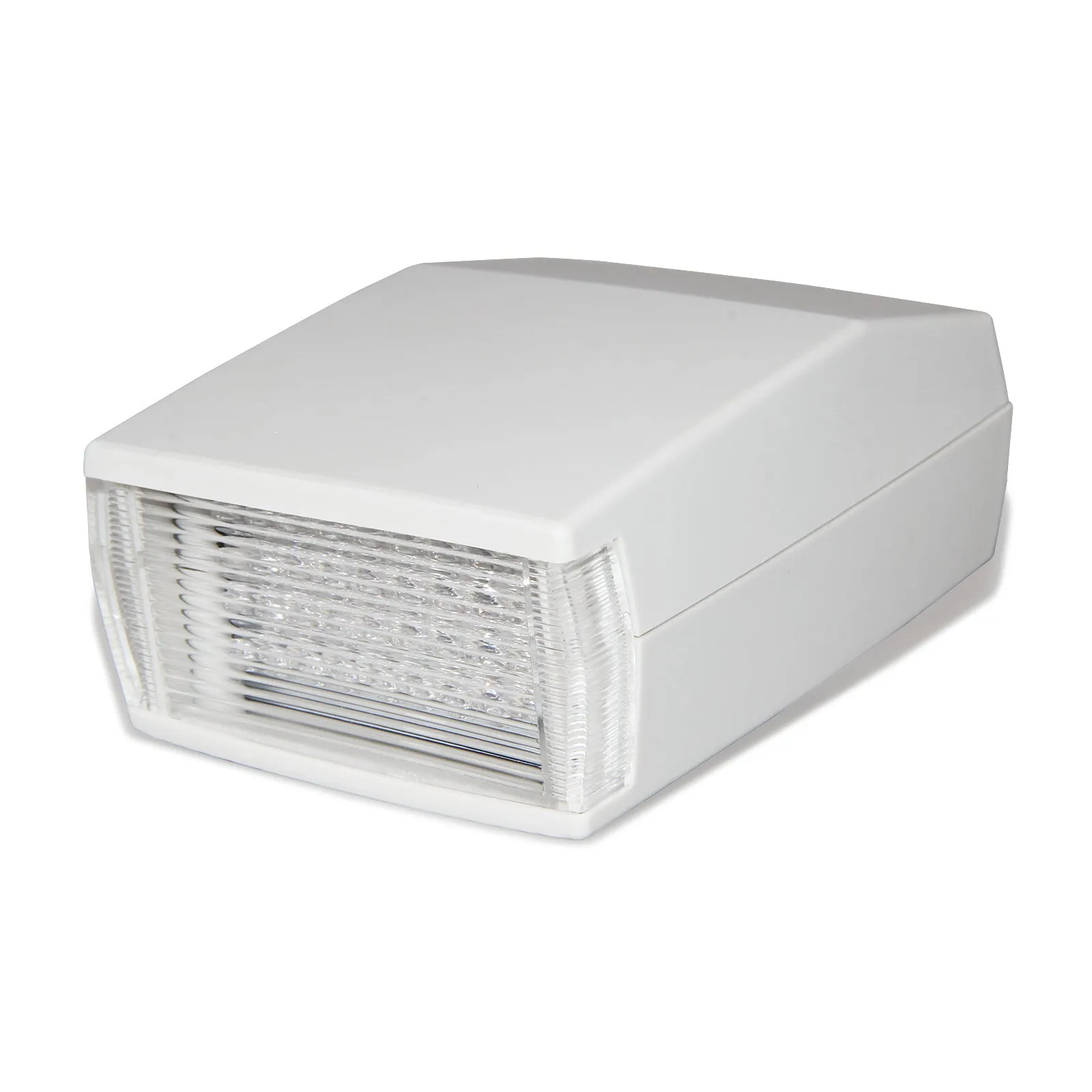
The package includes all standard items needed for setup: an EEG lead, EEG electrodes, a data line, a headgear, a strobe light with its power supply, a user manual, an earth wire, an EEG bracket, and an aluminum block. Optional functions expand its utility. A USB camera can be added for video recording, allowing synchronous waveform and image sampling with flexible playback. An SpO2 function is also available as an optional add-on. A multifunctional USB flash stimulator is included, with flashing that can be controlled manually or automatically according to a set stimulation scheme.
Certifications and Standards
The CE CONTEC KT88-1016 holds relevant medical device certifications, specifically an SFDA certificate and a CMC certificate, confirming it meets the regulatory standards for its intended medical use in applicable markets.