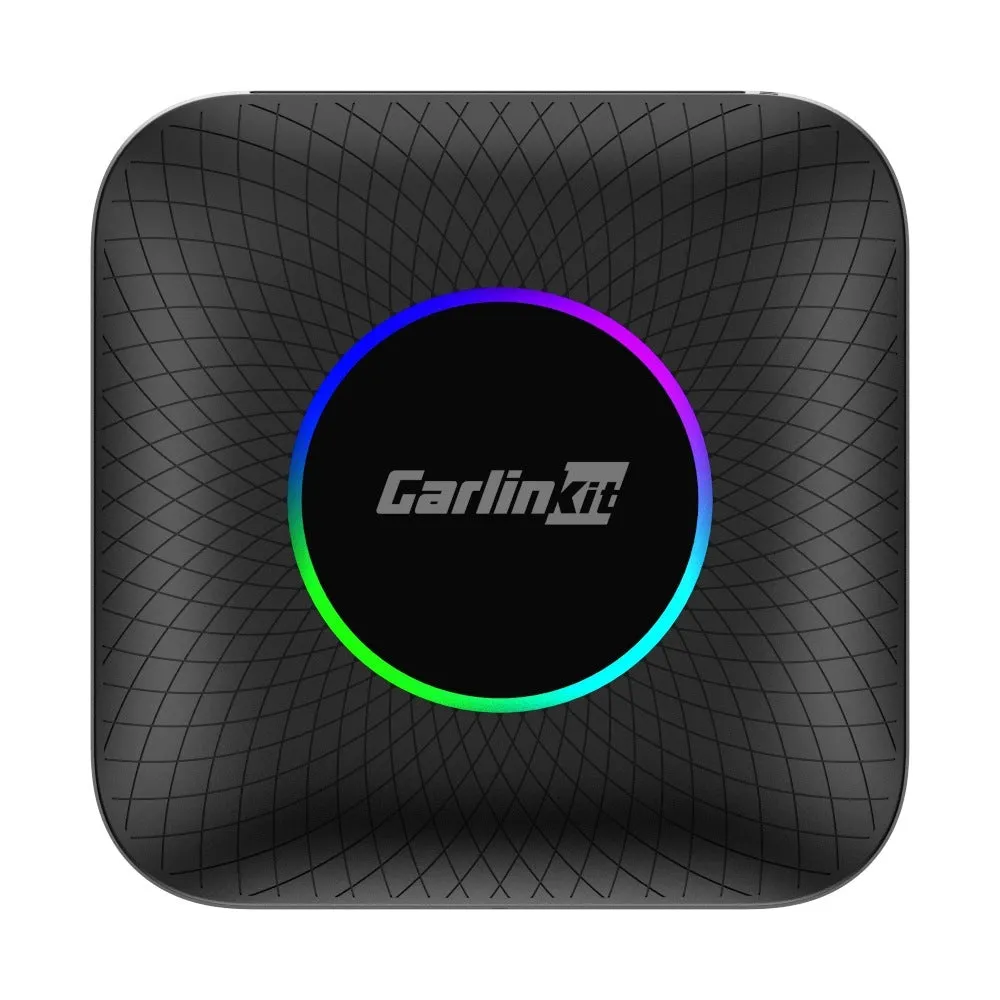
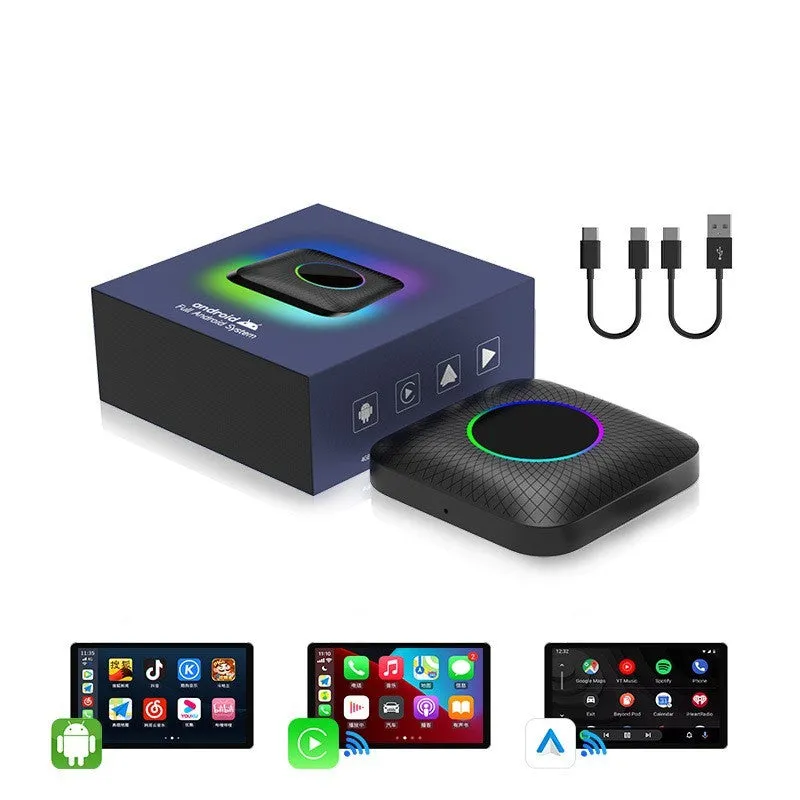
Car Wired To Wireless High-Pass Eight-Core Conversion Box with built-in Android 13.0 system for vehicles with original wired CarPlay, available in Eurasian or North American specifications, dimensions 78.6x78.6x18.5mm.


Car Wired To Wireless High-Pass Eight-Core Conversion Box with built-in Android 13.0 system for vehicles with original wired CarPlay, available in Eurasian or North American specifications, dimensions 78.6x78.6x18.5mm.
Convert Wired CarPlay to Wireless with this High-Pass Eight-Core Android 13.0 Box

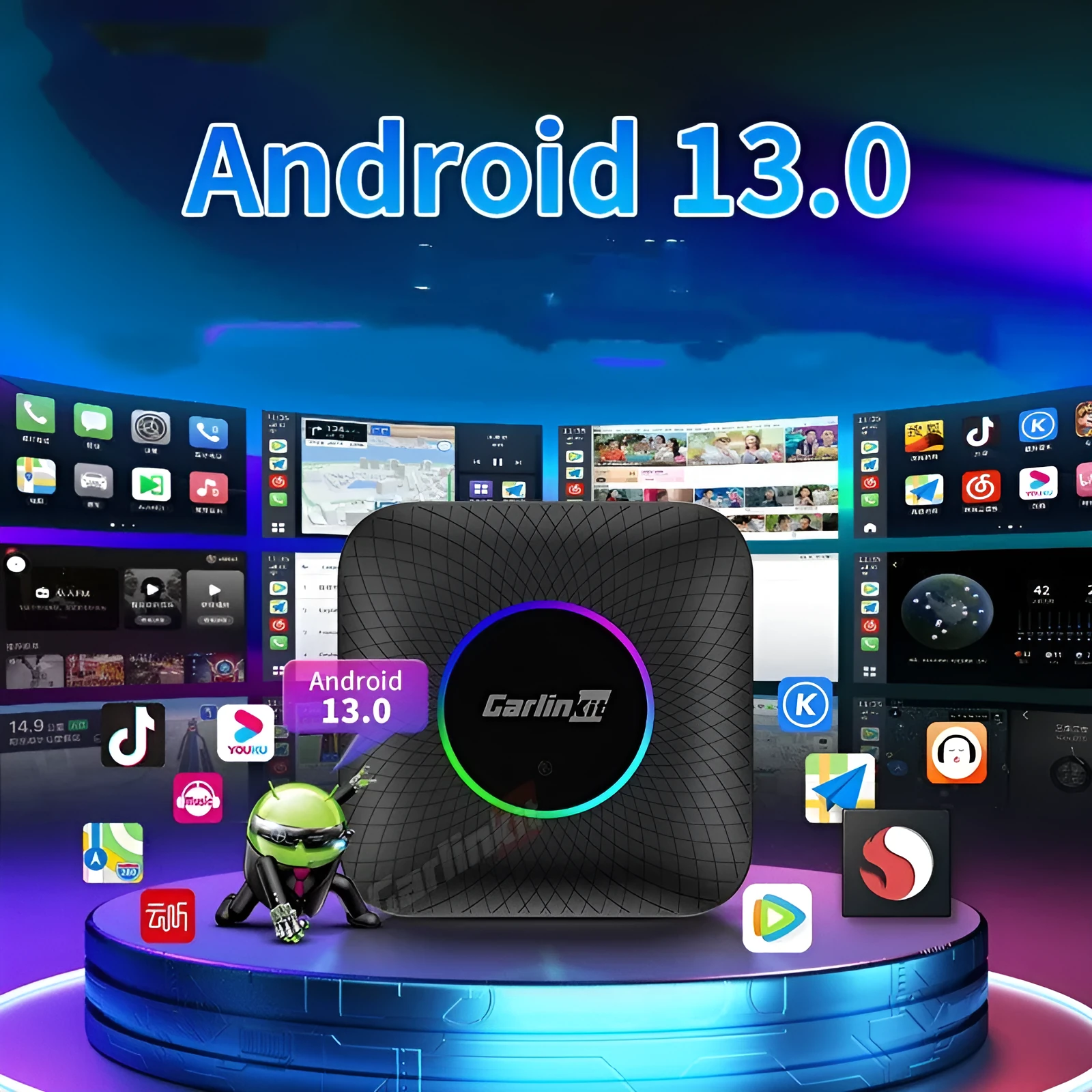
Eliminate the need to physically plug your phone into your car's dashboard every journey. This conversion box is designed for vehicles that come with factory-fitted wired CarPlay functionality, converting that connection into a wireless one. It also supports Android Auto, broadening its compatibility, and includes a built-in open Android 13.0 system. Available in specific Eurasian and North American versions to match regional vehicle standards, its compact size allows for discreet installation within your vehicle's centre console or dashboard area.
Features and Construction
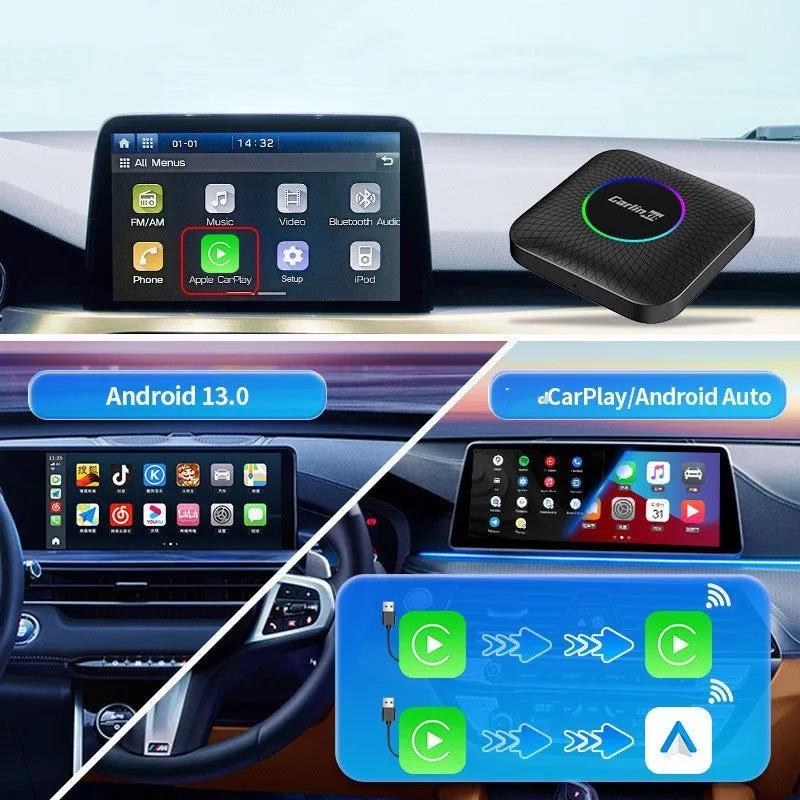
The core function of this device is to bridge the gap between your car's original wired interface and modern wireless connectivity standards. It is a dedicated hardware solution that requires no modification to your vehicle's core systems, working with the existing CarPlay port.
Material and Build
The main housing of the conversion box is made from ABS PC plastic, a material choice common in automotive accessories for its balance of durability and weight. This construction helps protect the internal eight-core electronics responsible for processing the wireless signal conversion. The device is designed for a 5V power input, which can typically be sourced from a standard USB port in the vehicle.
Size and Practical Fit
With dimensions of 78.6 mm by 78.6 mm and a height of 18.5 mm, the box is built to a compact form factor. This small size is practical for tucking away out of sight, such as within the glove compartment, centre armrest storage, or behind the dashboard trim, keeping cables and the unit itself organised and unobtrusive.
Uses and Placement
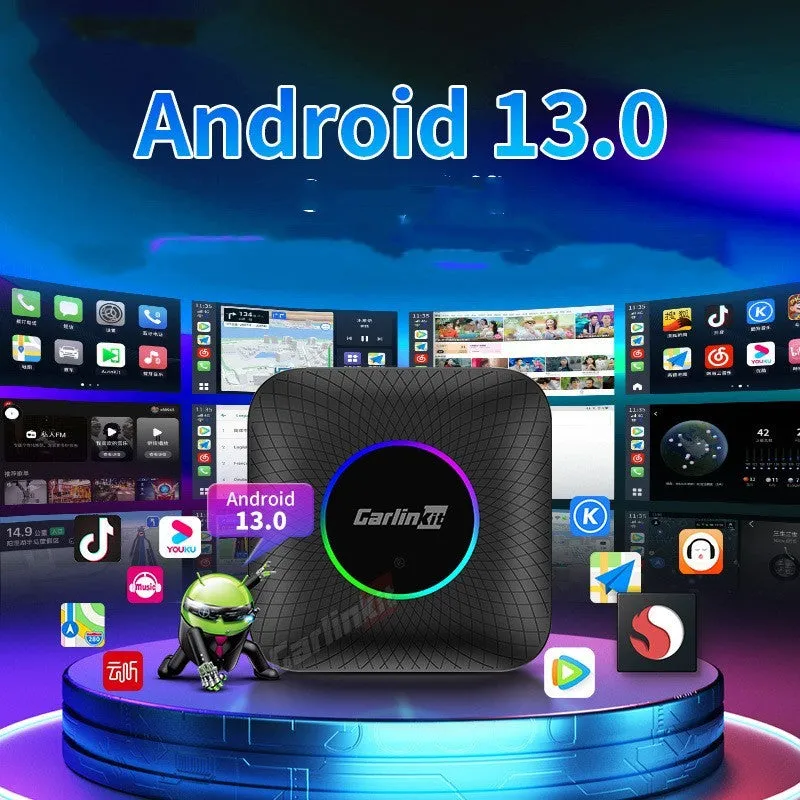
This product is intended for a single, clear purpose: to upgrade the infotainment experience in compatible cars. It turns a tethered connection into a cordless one, which can be particularly useful for shorter trips or in vehicles where the USB port is awkwardly placed.
Event or Professional Use
For professional drivers, ride-share operators, or those who use their car for work and are constantly entering and exiting the vehicle, a wireless connection saves time and reduces wear on the phone's charging port. The ability to keep the phone in a pocket or bag while still accessing navigation and media through the car's display adds a layer of convenience for daily professional use.
Everyday Home Use
For everyday driving, the wireless functionality means you can simply get in the car and drive off without any cable fuss. Passengers can also connect their devices more easily to play their own music via Android Auto or CarPlay. The inclusion of the Android 13.0 system may allow for additional apps or functions beyond standard smartphone projection, depending on its open implementation.
Benefits and Buying Value
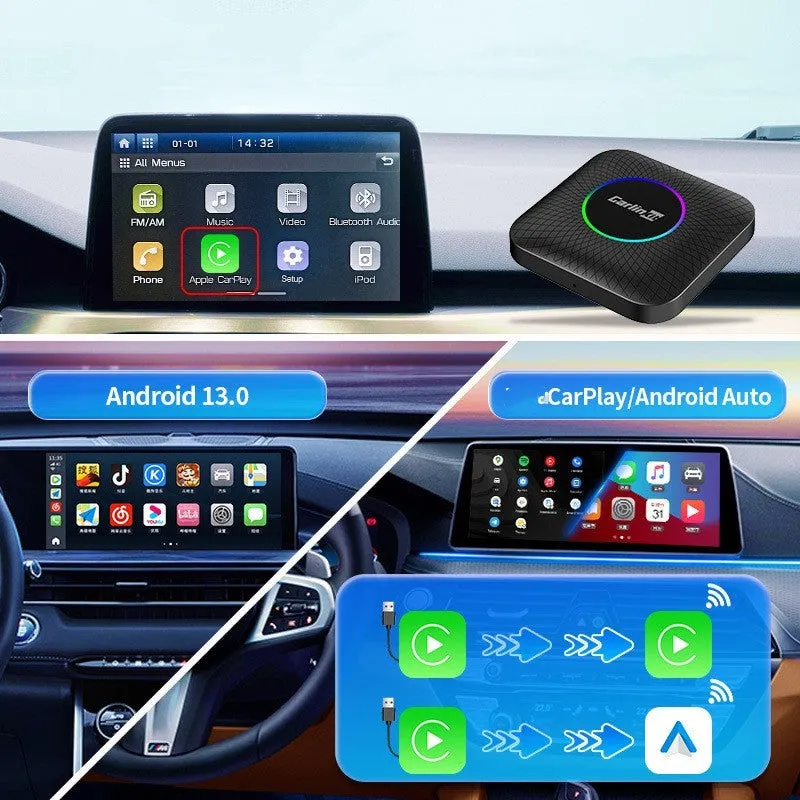
The value of this converter lies in its specific, problem-solving function. It updates a fixed wired feature in your car to match the cordless convenience of newer vehicles, potentially extending the useful life and enjoyment of your current car's infotainment system.
Reuse and Low Maintenance
As a solid-state electronic device with no moving parts, it requires minimal active maintenance once installed. Its function is consistent: to receive a wireless signal from your phone and translate it for the car's wired input. The provided data cables are used for the initial, one-time connection between the box and the car's port.
Why Choose This Product
This product offers a targeted solution for a specific scenario—owning a car with factory wired CarPlay. The key differentiators are its dual support for CarPlay and Android Auto, its integrated Android 13.0 system, and the availability of region-specific versions (Eurasian and North American) to ensure compatibility. It provides a way to add wireless functionality without replacing the entire head unit, which is often a more complex and costly upgrade.