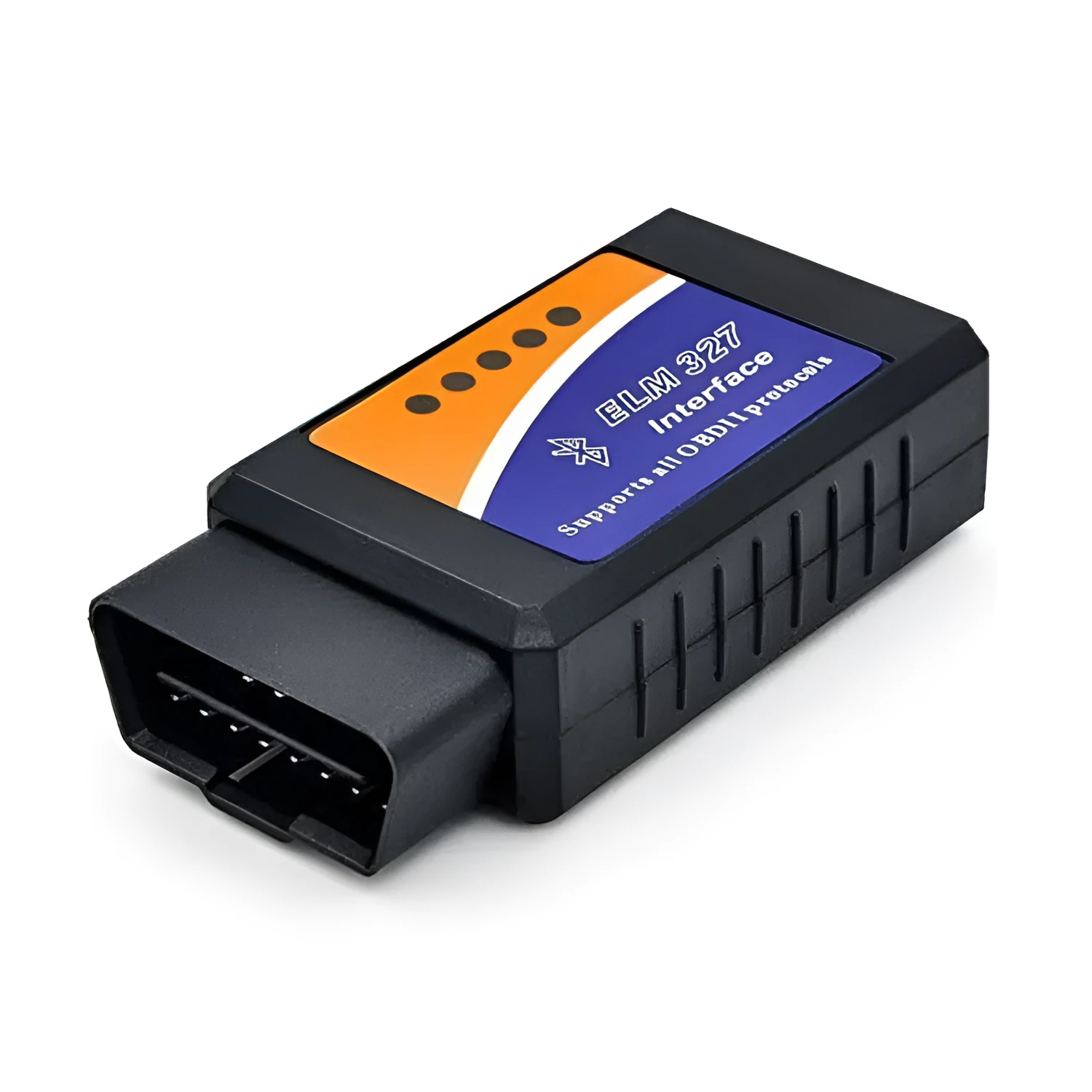
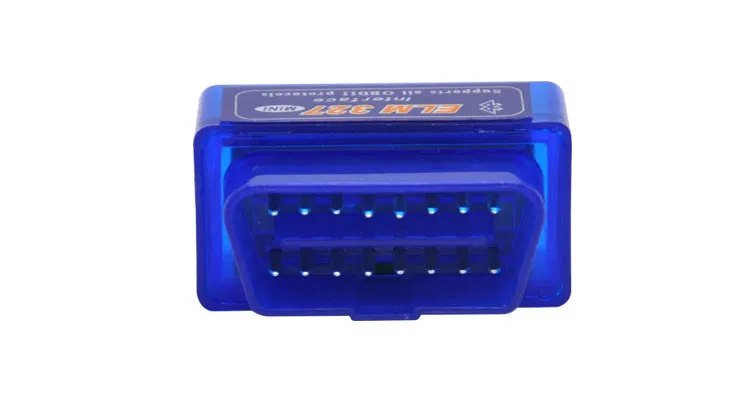
Car diagnostic tool Bluetooth ELM327 OBD2 scanner dual-mode 5.1 fault code reader compatible with Android Windows Torque software for real-time sensor data, compatible with ELM327 v2.1 mini.


Car diagnostic tool Bluetooth ELM327 OBD2 scanner dual-mode 5.1 fault code reader compatible with Android Windows Torque software for real-time sensor data, compatible with ELM327 v2.1 mini.
ELM327 v2.1 Bluetooth 5.1 OBD2 Scanner for Car Engine Diagnostics and Real-Time Data

This compact Bluetooth OBD2 scanner provides a direct link to your vehicle's onboard diagnostics system, allowing you to read fault codes and monitor engine performance from your smartphone or laptop. Compatible with Android and Windows platforms using popular apps like Torque, it turns your device into a professional-grade diagnostic tool for identifying issues like engine misfires, sensor failures, or emission problems. By connecting to the standard OBD2 port, it accesses live data streams including RPM, coolant temperature, and fuel system status, giving you clear insight into your car's health without needing expensive garage equipment.
Features and Construction
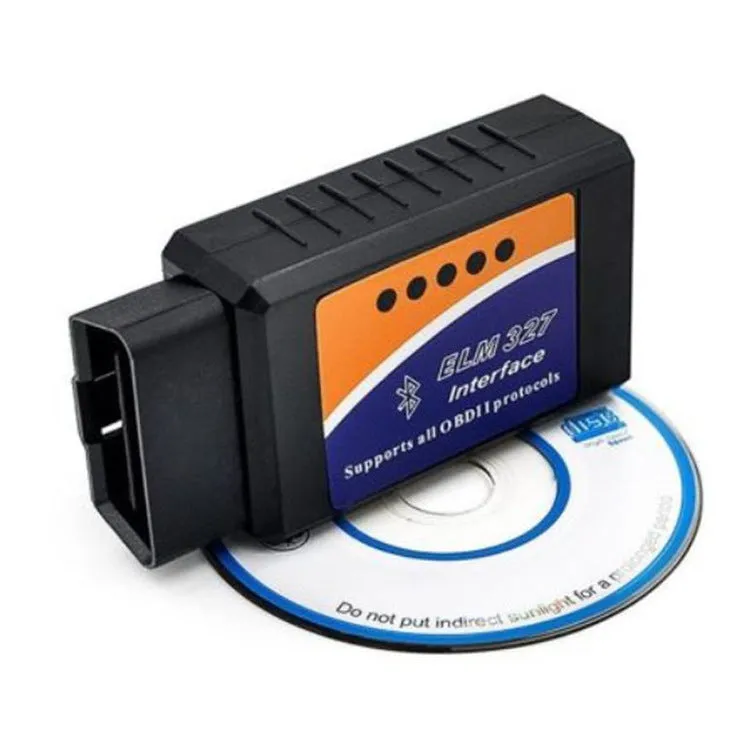
Built around the common ELM327 chipset, this scanner is designed for broad vehicle compatibility and reliable data communication. Its dual-mode Bluetooth 5.1 ensures a stable connection to your devices, while the compact build allows it to remain plugged in without obstructing the driver's footwell.
Material and Build
The scanner uses a plastic housing to encase the electronic circuitry, providing a lightweight and durable enclosure suitable for the vehicle environment. The internal chipset is specified as an ELM327, version 2.1, which handles the protocol translation between the car's CAN bus and your connected Bluetooth device.
Size and Practical Fit
With dimensions of 45mm in length, 25mm in width, and 65mm in height, the scanner is one of the more compact OBD2 readers available. This small size means it fits neatly into the diagnostic port, usually found under the dashboard, without protruding excessively or risking being knocked by the driver's legs.
Uses and Placement
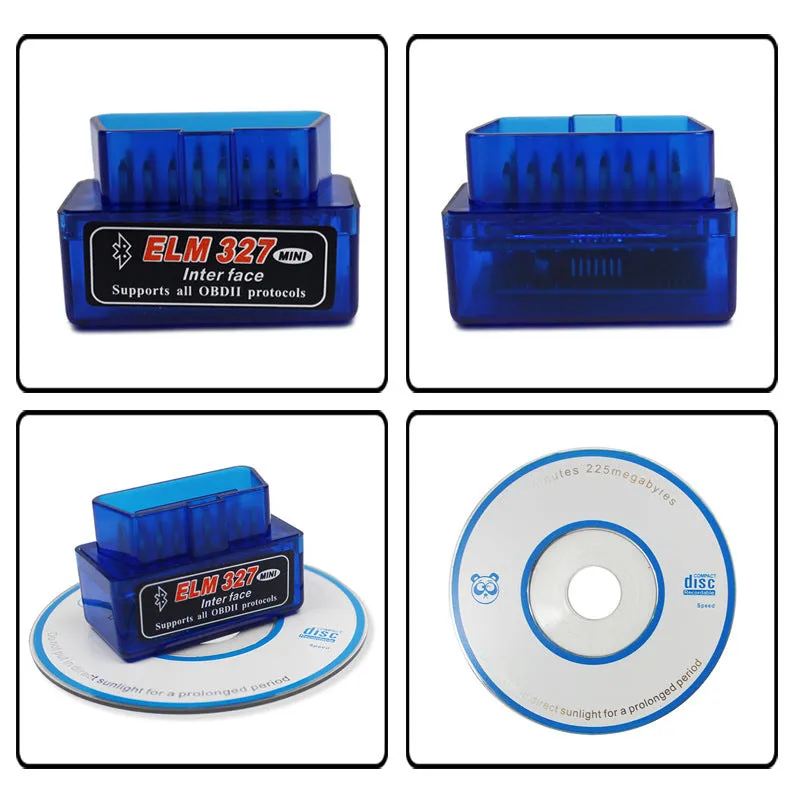
This tool is suited for both occasional checks by home mechanics and more regular monitoring by enthusiasts who track their vehicle's performance. It plugs directly into the 16-pin OBD2 port, a standard fitting in cars manufactured from the mid-1990s onwards.
Event or Professional Use
For track days or performance tuning, the ability to log real-time sensor data like intake air temperature and throttle position can be valuable. The scanner supports software that can record this data for later analysis, helping to fine-tune engine performance or diagnose intermittent faults that only occur under specific driving conditions.
Everyday Home Use
The primary home use is diagnosing the cause of a lit 'Check Engine' light. The scanner reads the specific fault code, explains its meaning from its internal database, and allows you to clear it after repairs. It can also be used for pre-purchase inspections or routine monitoring of parameters like fuel trim to spot potential issues early.
Benefits and Buying Value

Owning this scanner reduces dependency on garage diagnostics for basic code reading and clearing, offering a reusable tool for multiple vehicles. Its low power draw means it can be left connected for extended monitoring without significantly draining the vehicle's battery.
Reuse and Low Maintenance
The scanner requires no maintenance itself and can be used across different vehicles, provided they have a standard OBD2 port. There are no consumable parts, and the device draws only 35mA when active and 25mA on standby, posing minimal electrical load.
Why Choose This Product
This scanner offers a balance of core diagnostic functions—code reading, clearing, and live data—in a proven ELM327-based package with the updated Bluetooth 5.1 connection. Its specified compatibility with a wide range of free and paid software on Android and Windows provides flexibility, whether you need simple code checks or advanced data logging.