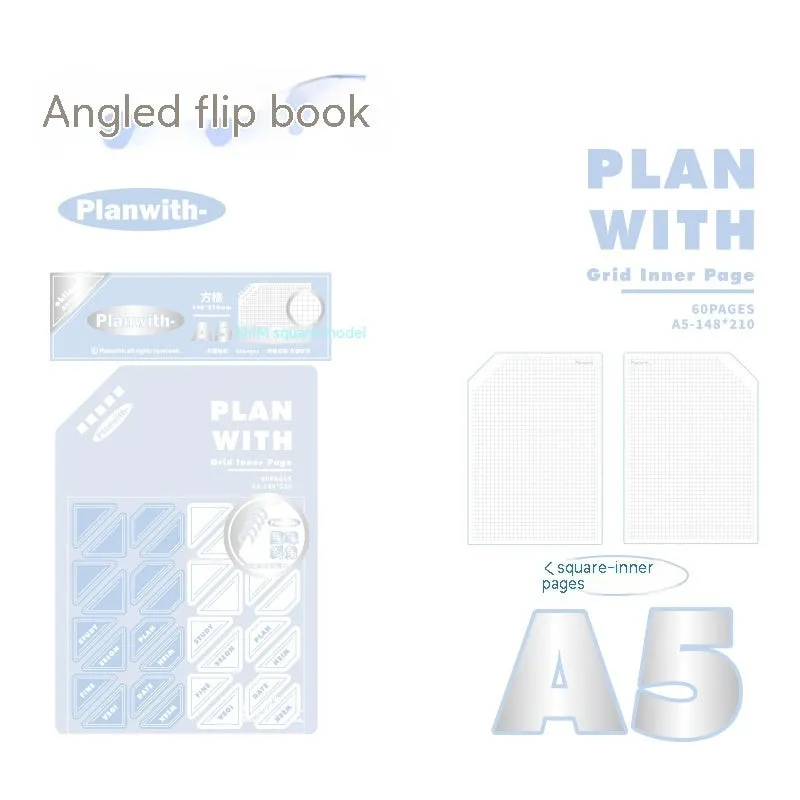
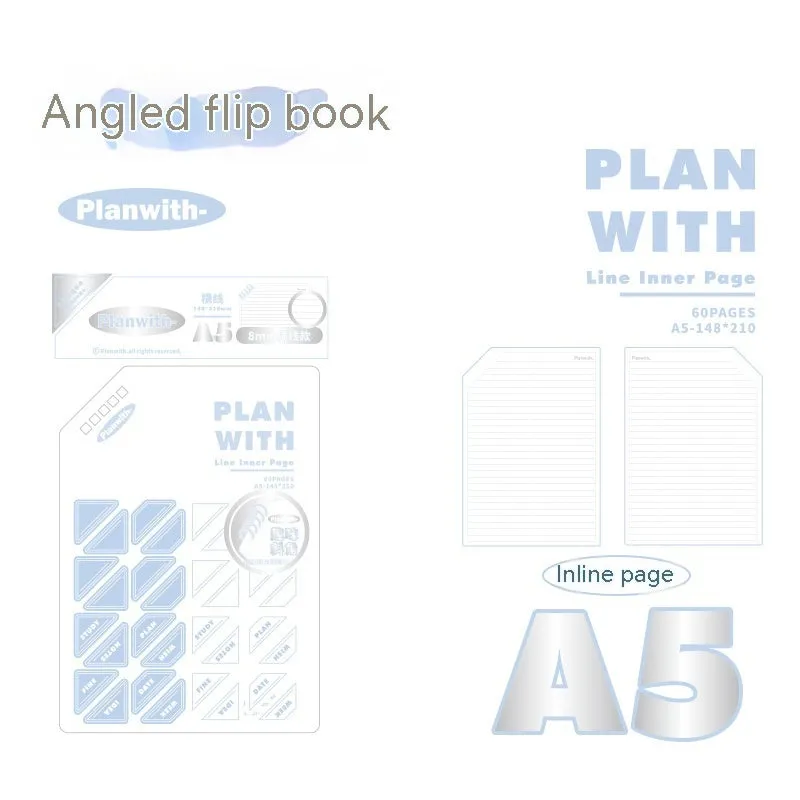
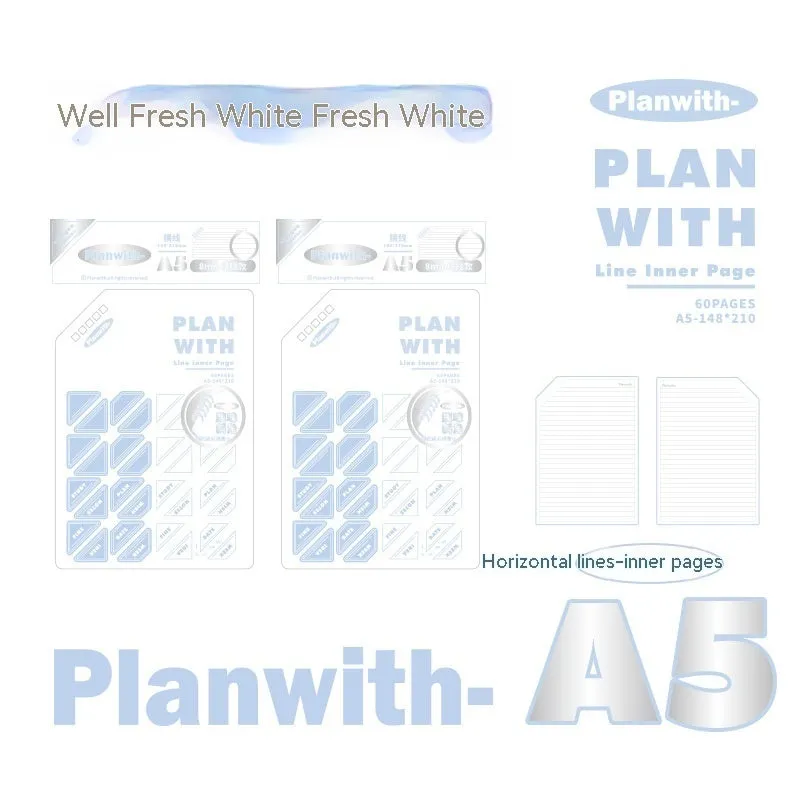
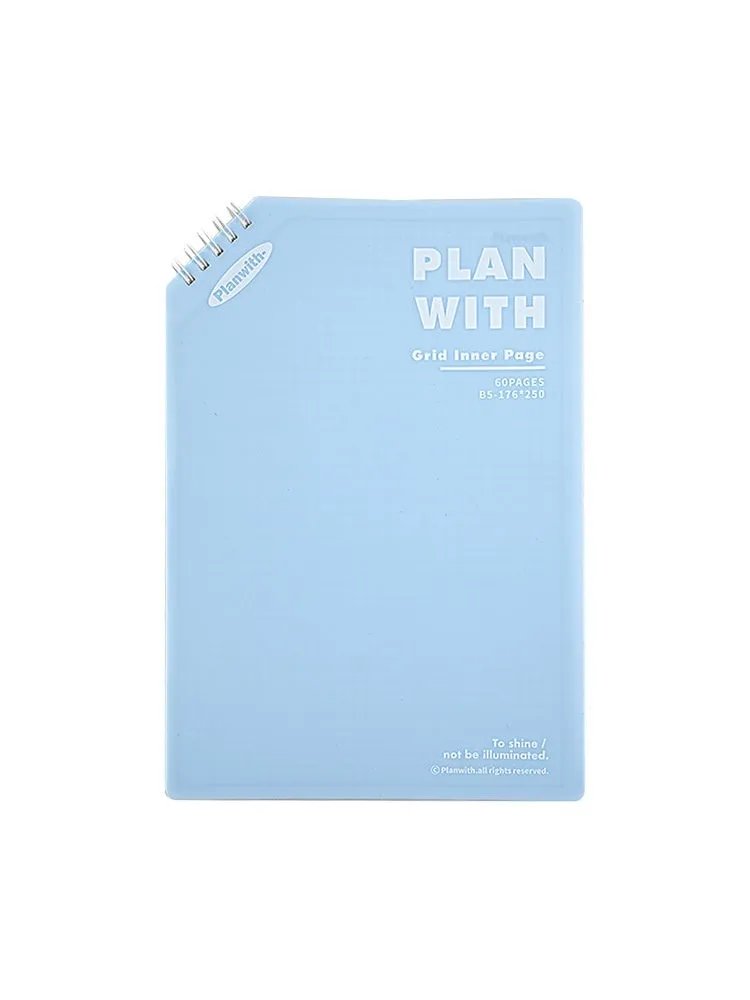
A5 or B5 art student draft notebook, 60-page sketchbook, horizontal or plaid blue cover option for art drafting, note-taking, and creative projects in an ins-style aesthetic with oblique angle book series artsy design.


A5 or B5 art student draft notebook, 60-page sketchbook, horizontal or plaid blue cover option for art drafting, note-taking, and creative projects in an ins-style aesthetic with oblique angle book series artsy design.
Oblique Angle Artsy Draft Notebook: A5 or B5 with 60 Pages for Student Projects
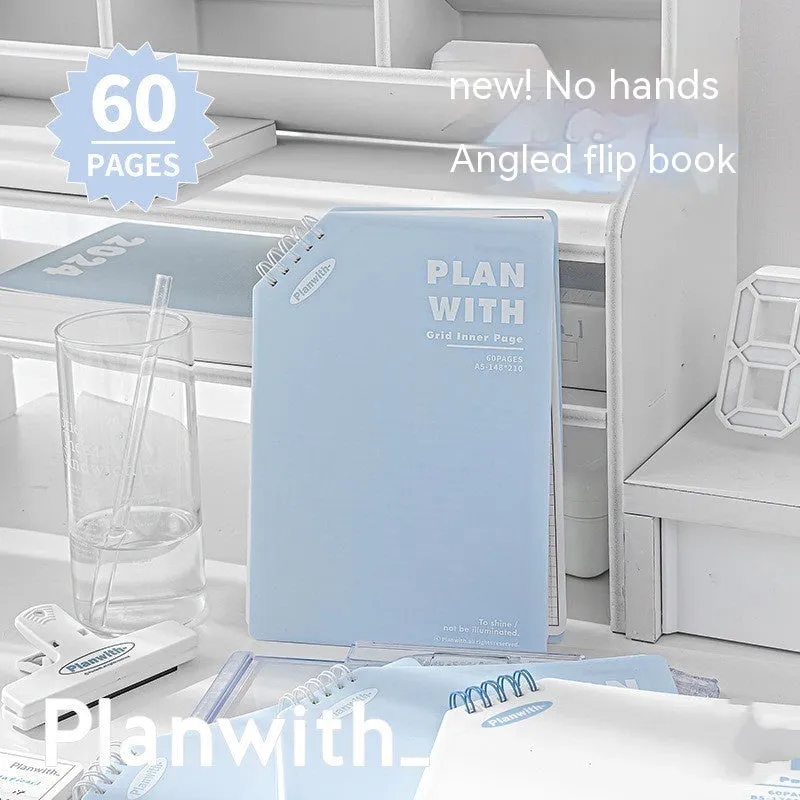
This notebook is designed as a practical tool for students and creatives who need a dedicated space for preliminary work. It provides 60 pages (or 60 sheets) in a choice of two standard sizes—A5 and B5—alongside cover options that include a plain white finish or a distinctive blue plaid pattern. The 'Oblique Angle Book Series Artsy Ins Style' designation suggests a focus on aesthetic, functional stationery for drafting and casual note-taking, making it a straightforward choice for organising sketches, project ideas, and study notes without the formality of a finished journal.
Features and Construction
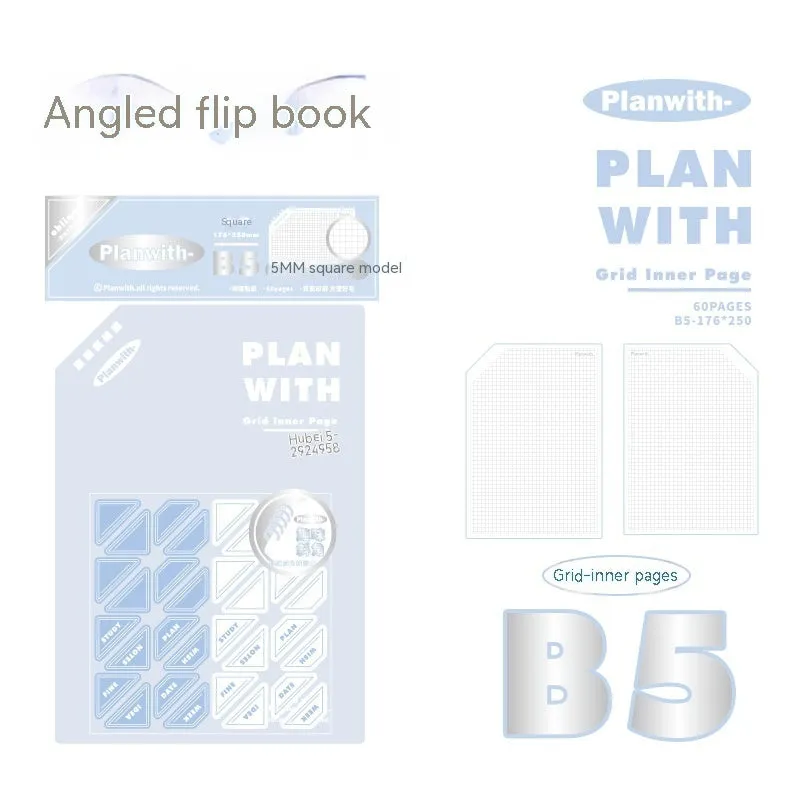
The notebook's design centres on providing flexible, utilitarian options for different user preferences and project scales. Its construction is focused on the page count, size format, and visual cover design to suit various creative and academic workflows.
Material and Build
While specific paper weight or cover material is not listed, the notebook is presented as a draft book, implying its paper is suitable for common drawing and writing tools like graphite pencils, ballpoint pens, and fine liners used in sketching and note-taking. The cover options—a clean horizontal white or a patterned blue plaid—offer either a minimalist or a more stylised visual starting point for your work.
Size and Practical Fit
The notebook is available in two internationally recognised paper sizes: A5 and B5. This choice allows users to select based on portability versus page area. An A5 book is more compact and easily portable, while a B5 offers a larger surface per page for more extensive sketches or structured note layouts. The 'horizontal' specification for the white cover versions indicates a landscape orientation, which can be beneficial for certain types of drawing or planning spreads.
Uses and Placement
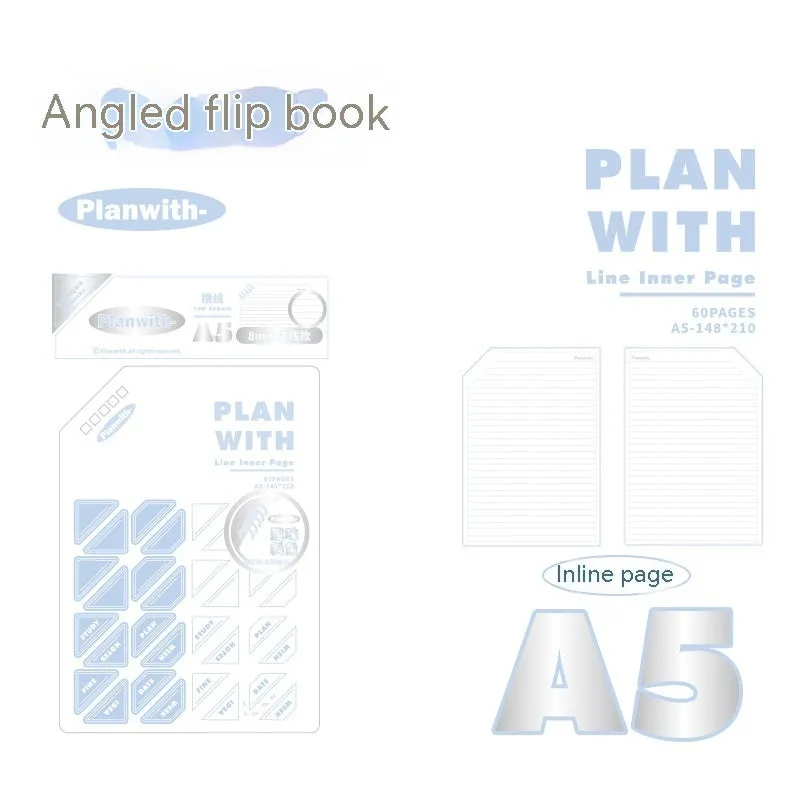
As a draft notebook, its primary role is to serve as an intermediate, working document where ideas are developed before being finalised elsewhere. This makes it relevant in both educational and casual creative environments.
Event or Professional Use
In a student or learning context, this notebook is a practical tool for lecture notes, diagramming, and planning assignments. The 60-page count provides a full term's worth of notes for a single subject or project. For artists or designers, it functions as a disposable sketchpad for quick studies, thumbnails, and compositional drafts, where the perceived quality of the book itself is less important than the freedom to experiment it provides.
Everyday Home Use
At home, this notebook can serve as a casual journal, a planner for DIY projects, or a scrapbook for collecting visual references. The blue plaid cover option, in particular, lends a decorative, ins-style aesthetic that makes it suitable for leaving on a desk or shelf as part of a curated workspace.
Benefits and Buying Value
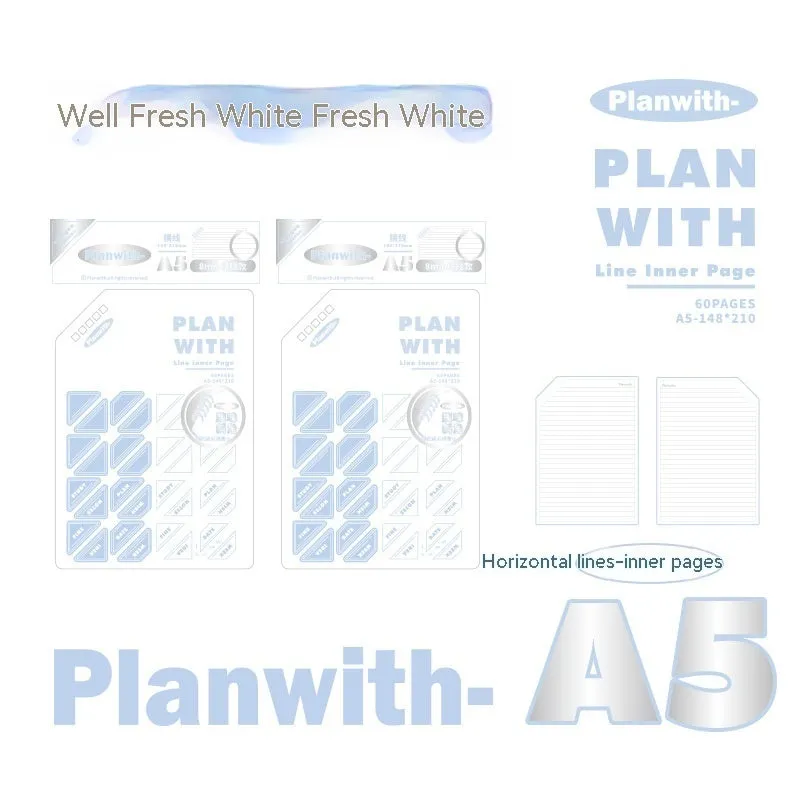
The value of this product lies in its straightforward specification and the options it provides, allowing the user to match the tool to their specific need without unnecessary complexity or cost.
Reuse and Low Maintenance
As a single notebook, it is a self-contained unit. Once filled, it can be archived or recycled. Its simple construction implies no special care is needed; storing it flat will help keep the cover and pages in good condition during use. The lack of elaborate binding or specialist paper means it requires no particular maintenance.
Why Choose This Product
You would choose this draft notebook if you need a defined, finite space for a specific project or study period. The clear 60-page limit helps manage the scope of work, and the choice between A5/B5 sizes and two cover designs allows you to select the physical format and style that best fits your bag, desk, or personal taste. It offers a focused alternative to open-ended journals or loose-leaf paper.