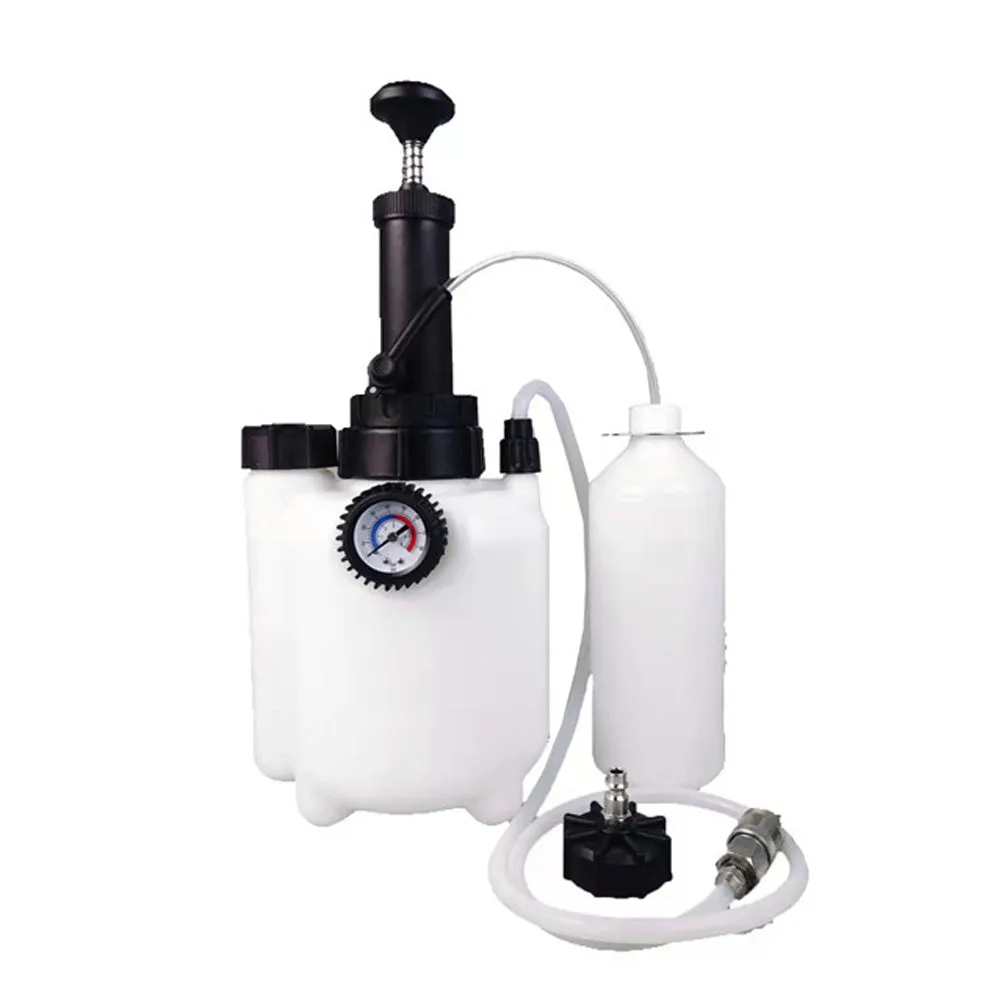
3L automobile brake oil tank replacement tool for efficient brake fluid changing with integrated fluid reservoir and connecting accessories made from copper, iron, and plastic components in a white finish


3L automobile brake oil tank replacement tool for efficient brake fluid changing with integrated fluid reservoir and connecting accessories made from copper, iron, and plastic components in a white finish
3L Brake Oil Tank Replacement Tool for Efficient Automotive Brake Fluid Changes

Changing your vehicle's brake fluid is an essential maintenance task that ensures reliable braking performance and system longevity. This 3-litre brake oil tank is designed as a dedicated replacement tool to simplify this process, providing a high-capacity, integrated reservoir for draining old fluid and adding new. By connecting directly to your car's brake system, it helps manage a job that can otherwise be messy and time-consuming, making it a practical addition for serious DIY enthusiasts and professional workshops alike. The construction from copper, iron, and plastic components offers a balance of durability and functionality for repeated use across different vehicle models.
Features and Construction
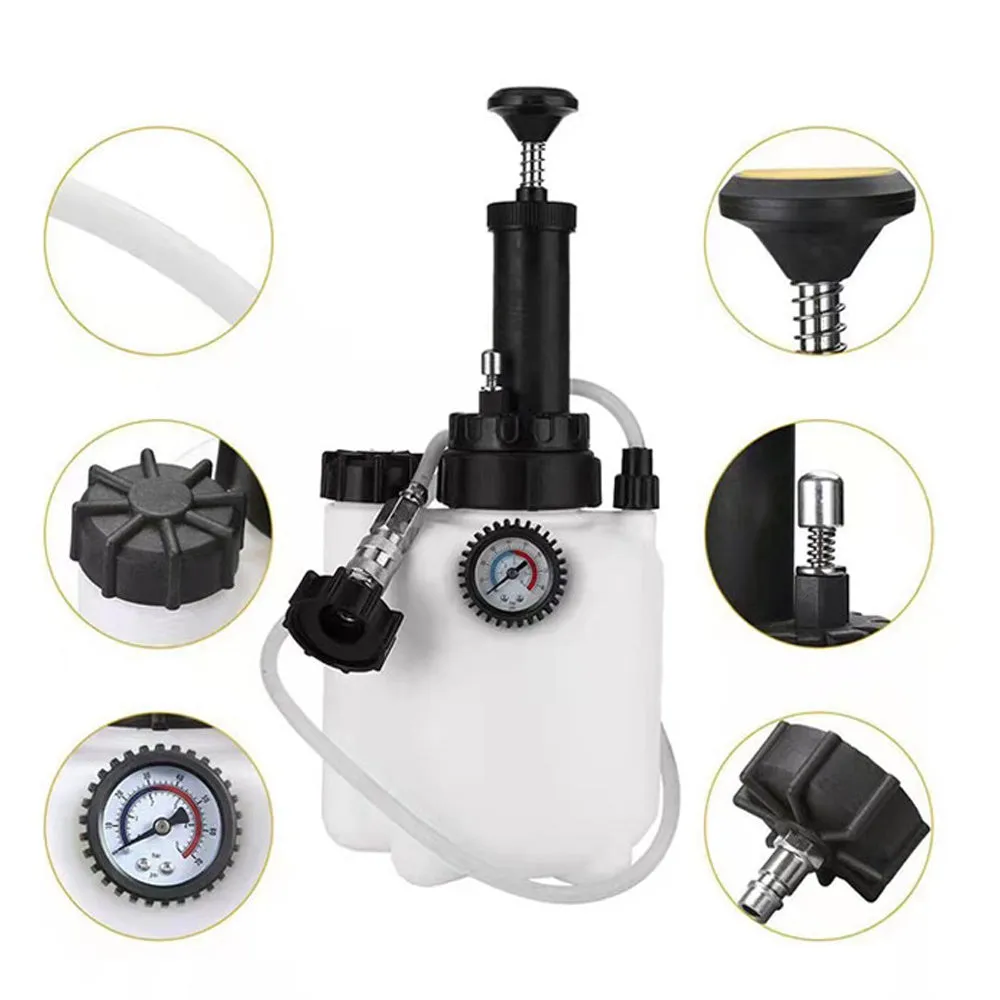
The design of this brake oil tank focuses on providing a complete, ready-to-use solution for brake fluid replacement. Its key features centre around its substantial capacity, robust material selection, and practical form factor that suits a garage environment.
Material and Build
The tool utilises a combination of materials selected for their automotive suitability. Copper is used in fittings and connection lines, taking advantage of its corrosion resistance within brake fluid systems. Iron components provide necessary structural strength in the assembly, while the primary 3-litre reservoir is moulded from a durable, fluid-resistant plastic. This material mix aims to create a tool that withstands repeated use with various brake fluid types.
Size and Practical Fit
With external package dimensions of 41 centimetres in length, 18 centimetres in width, and 20 centimetres in height, the unit offers a compact footprint for storage on a workshop shelf or in a tool cabinet. The 3-litre capacity of the internal reservoir is sufficient to capture the old fluid from a typical passenger car's complete brake system during a flush, reducing the need for mid-job emptying. The white colour finish provides a clean, neutral appearance.
Uses and Placement
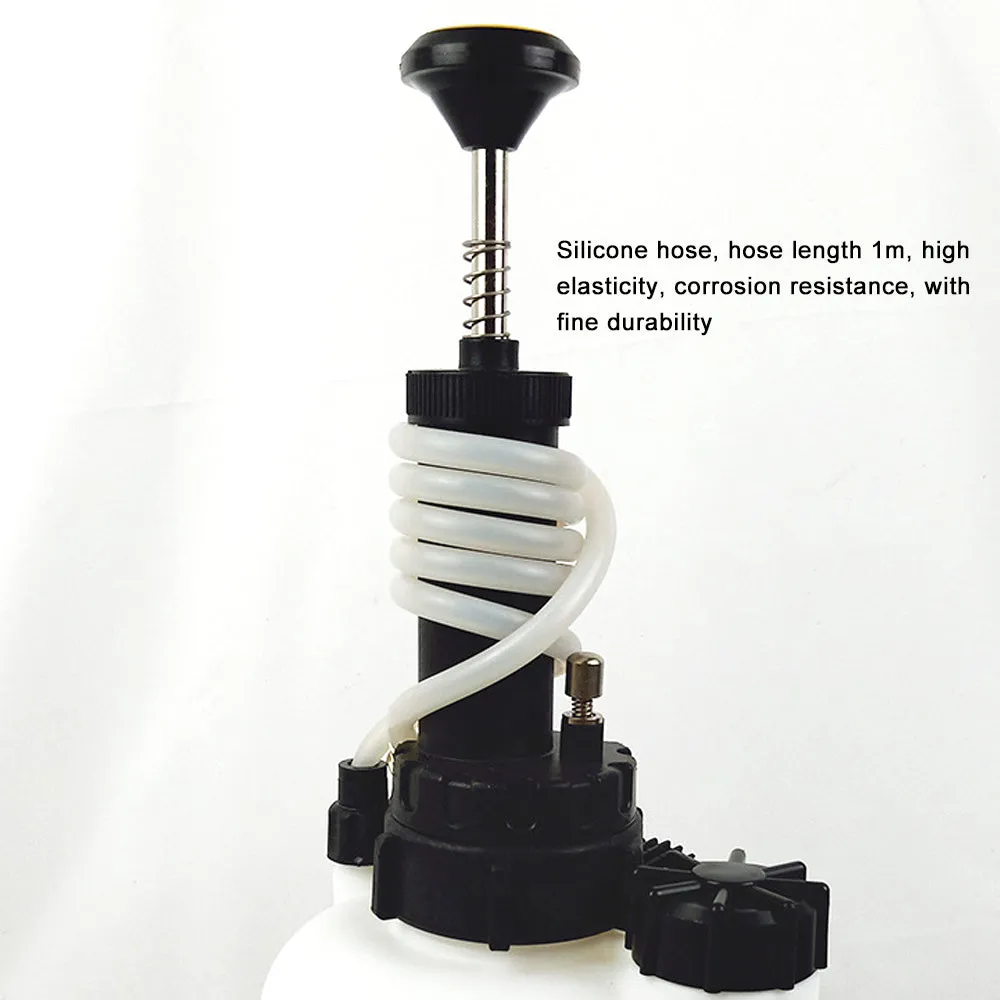
This tool serves a specific function within automotive repair and preventative maintenance routines. Its application is focused on the brake hydraulic system, a critical safety component of any vehicle.
Event or Professional Use
In a professional workshop or for avid DIY mechanics performing scheduled brake services, this tank streamlines the fluid exchange procedure. It allows one person to effectively manage the fluid transfer, helping to achieve a thorough system flush that removes old, moisture-contaminated fluid. This can be part of a standard brake service or a specific fluid renewal job to maintain brake performance.
Everyday Home Use
For the home mechanic with multiple vehicles or who prefers to handle their own car maintenance, having a dedicated tool for brake fluid changes adds convenience and reduces mess. It provides a controlled way to perform this less-frequent but important task, potentially extending the life of brake system components like the master cylinder and calipers by ensuring clean fluid is used.
Benefits and Buying Value
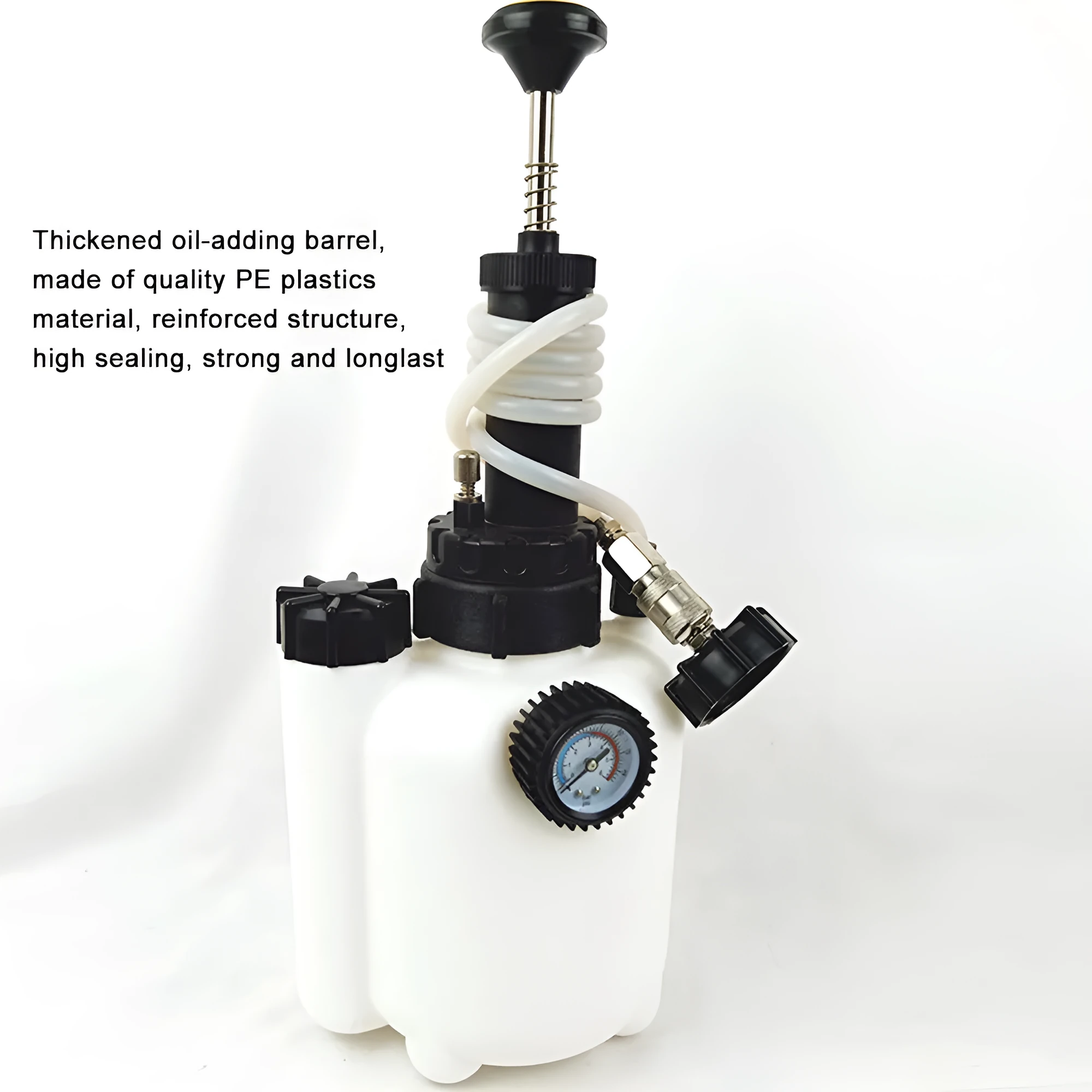
The value of this product lies in its specialised design for a single, well-defined task, potentially improving the ease and quality of that task compared to improvised methods.
Reuse and Low Maintenance
As a tool constructed from durable metals and plastic, it is designed for reuse over many years and across multiple vehicles. Its simple design means there are few parts to wear out or fail, and basic cleaning after use is typically all that's required for upkeep. This makes it a one-time purchase for a recurring maintenance need.
Why Choose This Product
Choosing this 3L brake oil tank offers a targeted solution for a specific automotive job. Its main advantage is providing an integrated, ready-to-use reservoir of known capacity, removing the guesswork and potential spills from using makeshift containers. The specified use of copper, iron, and plastic in its construction indicates a focus on material suitability for the task, rather than a generic build.